2026 Top Die Casting Mold Trends for Global Buyers?
As the die casting industry continues to evolve, the focus on Die Casting Mold trends is becoming increasingly important. These trends reflect technological advancements and changing market demands. Understanding these trends is crucial for global buyers looking to optimize their production processes.
In 2026, we expect to see various innovations in die casting molds. Manufacturers are investing in materials that enhance durability and reduce costs. Furthermore, automation is playing a significant role, streamlining the mold-making process. Buyers should pay attention to sustainable practices that improve efficiency while also addressing environmental concerns.
However, not all trends may be beneficial. Some buyers may feel overwhelmed by the rapid changes. It is essential to evaluate these trends critically and assess their relevance to specific needs. The decision-making process must account for both the advantages and potential drawbacks of new die casting mold technologies.
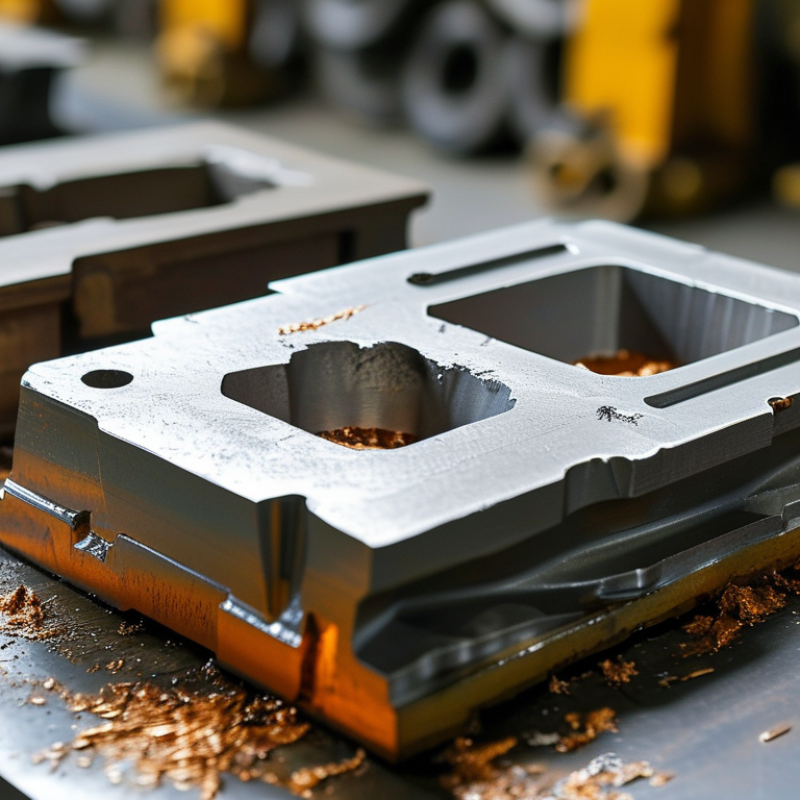
Emerging Materials in Die Casting for 2026 Global Market Trends
As the die casting industry evolves, emerging materials will shape the landscape in 2026. Analysts project that aluminum die casting will dominate due to its lightweight properties and excellent thermal conductivity. According to a recent market report, the global aluminum die casting market is expected to reach $10 billion by 2026, growing at a CAGR of 5.4%. This growth is largely driven by the automotive sector, where weight reduction is crucial for fuel efficiency.
In addition to aluminum, magnesium alloys are gaining traction. These materials offer higher strength-to-weight ratios, making them ideal for various applications. A 2023 industry study highlighted that the adoption of magnesium in die casting could increase by 30% over the next three years. However, challenges remain. The processing costs for magnesium alloys can be higher than traditional materials, complicating their widespread use.
Another noteworthy trend is the integration of advanced composite materials in die casting. This approach can enhance mechanical properties and reduce production time. Despite its potential, the market adoption is slow, mainly due to the initial investment required for new technology. Manufacturers need to weigh the benefits against the costs carefully. As the industry progresses, staying informed about these trends becomes crucial for global buyers.
Advancements in Automation Techniques for Die Casting Mold Production
Advancements in automation techniques are transforming die casting mold production. Automation technology is making processes faster and more efficient. In 2026, we will see even more integration of robotics. These machines can operate continuously without breaks. They reduce the need for manual labor, minimizing human errors.
However, companies must be cautious. Relying heavily on automation can lead to skill gaps among workers. Training remains essential to ensure that employees can troubleshoot machines when issues arise. A balance between automation and human expertise will be necessary for optimal results.
New software is emerging to enhance production planning. This software can predict potential problems in the molding process. It helps manufacturers adapt to changes quickly. While automation offers speed, flexibility remains a challenge. Companies need to continually assess their methods. The industry is evolving, but the human touch is still invaluable.
Sustainability Initiatives Transforming Global Die Casting Practices
Sustainability is reshaping die casting practices worldwide. More manufacturers embrace eco-friendly processes and materials. They strive to reduce waste and energy consumption. This shift is not just a trend; it reflects the industry's response to climate change. Companies are exploring plant-based materials. They aim to lower their carbon footprints.
Many factories are upgrading to energy-efficient machinery. This not only conserves resources but also enhances productivity. However, not all efforts yield immediate results. Some organizations still rely on outdated methods. They find it challenging to transition fully to sustainable practices.
Consumer awareness drives demand for greener products. Buyers now seek transparency in sourcing and manufacturing. As a result, companies face pressure to adopt responsible practices. A commitment to sustainability often requires significant investment. Yet, the long-term benefits can outweigh the initial costs. Failure to adapt could lead to losing market relevance. The journey towards sustainability is ongoing and complex.
2026 Top Die Casting Mold Trends for Global Buyers
The Impact of Industry 4.0 on Die Casting Mold Innovations
The advent of Industry 4.0 has ushered in transformative innovations within die casting mold technologies. Smart manufacturing systems are increasingly deployed. This evolution emphasizes automation, data exchange, and real-time monitoring. According to a 2022 report by Grand View Research, the global die casting market is projected to reach $107.9 billion by 2030, driven largely by these advancements.
With the integration of IoT and AI, production efficiency has increased. Real-time analytics offer insights for optimizing mold design processes. Companies are seeing reductions in defect rates by up to 20% through predictive maintenance. This progress also enables producers to respond swiftly to market demands. However, the initial investment can be significant, posing challenges for smaller manufacturers looking to transition.
Moreover, as automation rises, there are concerns about the skills gap in the workforce. Training is essential to utilize new technologies effectively. Not all companies are fully equipped to handle these shifts. This raises questions about job security and innovation sustainability in die casting. The path ahead is promising, yet it requires thorough consideration of both technological and human factors.
2026 Top Die Casting Mold Trends for Global Buyers
| Trend | Impact of Industry 4.0 | Key Technologies | Sustainability Factor |
| Smart Automation | Increased efficiency and precision in production | Robotics, IoT | Reduction in waste |
| Data Analytics | Real-time insights for better decision making | Big Data tools, AI | Optimized resource usage |
| 3D Printing Integration | Faster prototyping and customization | Additive manufacturing | Reduced material waste |
| Remote Monitoring | Enhanced operational control | IoT devices | Minimized downtime |
| Cybersecurity Measures | Protection of valuable data | Encryption, Network security tools | Safeguarding asset integrity |
Consumer Demand Shaping Die Casting Design Trends for 2026
In 2026, consumer demand will significantly shape die casting design trends. Buyers will seek sustainable materials. A rise in eco-consciousness drives the industry to innovate. Lightweight designs will gain popularity. Customers desire efficiency and performance. Manufacturers must focus on reducing waste in casting processes. This shift will not only meet demand but also align with global sustainability goals.
Investing in advanced technology is crucial. Automation and AI can enhance precision. Such tools minimize errors and improve efficiency. However, integrating new technologies requires training and adaptability. Companies must assess their capabilities and workforce readiness. Embracing change can be challenging but ultimately rewarding.
Prototyping will become essential in the design phase. Designers need to test and iterate quickly. Rapid prototyping can reduce time to market and refine products. This process increases collaboration between teams. Sharing feedback early can resolve issues before production begins. Companies should prioritize communication to enhance project outcomes.