2026 Best Process Chiller Options for Global Buyers?
In the industrial landscape, process chillers play a crucial role in maintaining optimal temperatures for various applications. As technology advances, the demand for efficient and reliable process chillers continues to grow. In 2026, global buyers face numerous options, each with unique specifications to consider. Navigating this market can be challenging.
When selecting a process chiller, buyers must assess factors such as efficiency, capacity, and compatibility. Different industries require specific cooling solutions, which adds complexity to the decision-making process. It’s important to evaluate both performance and longevity to ensure a wise investment.
Moreover, emerging technologies may offer exciting new features, but they also come with their own sets of challenges. Buyers often grapple with understanding the trade-offs between cost and performance. Overall, the journey of finding the best process chiller for unique needs is filled with potential pitfalls, underscoring the importance of informed decision-making.
Overview of Process Chillers: Importance and Applications
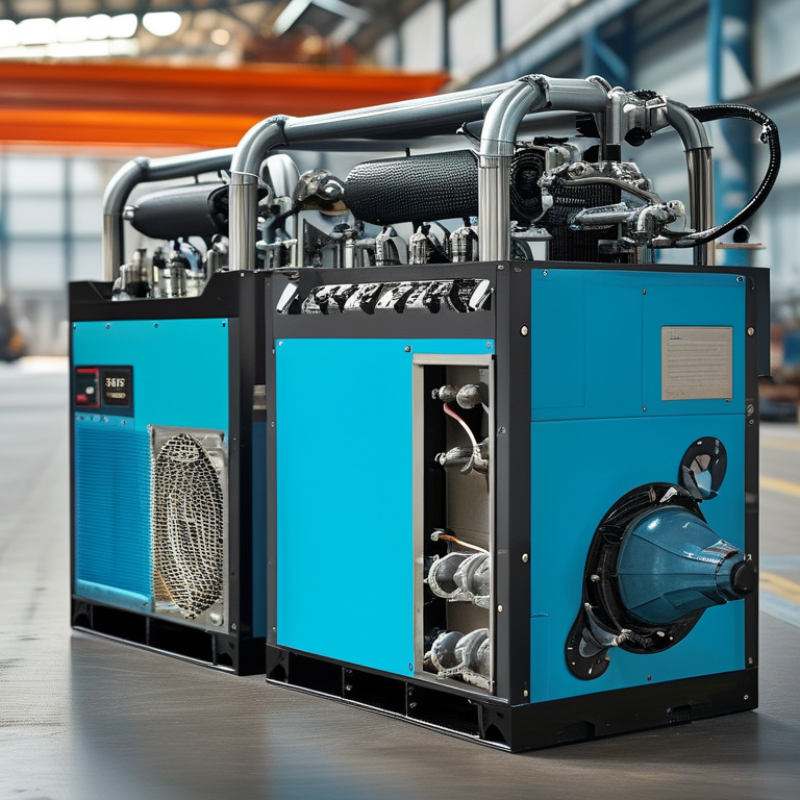
Process chillers play a vital role in various industries, including manufacturing and pharmaceuticals. These systems help control temperatures in processes that require precision cooling. According to a recent report by Global Market Insights, the process chiller market is projected to reach $7 billion by 2026, indicating a growing demand for efficient thermal management solutions. This highlights their importance in maintaining product quality and optimizing operational efficiency.
In manufacturing, for example, improper heat levels can lead to defective products. Process chillers ensure that machinery operates within specified temperature ranges, reducing the risk of errors. In pharmaceutical applications, strict temperature control is essential for drug stability. As processes evolve, the demand for advanced chiller systems continues to rise, reflecting their crucial role.
Tips: When selecting a process chiller, consider energy efficiency ratings. Manufacturers that prioritize efficiency can significantly reduce operational costs. Additionally, evaluate the maintenance requirements of various models. Some systems may require more frequent checks, which could lead to downtime. Remember that not all process chillers are created equal; therefore, researching is key for long-term success.
Key Considerations for Selecting the Best Process Chiller
When choosing a process chiller, several critical factors must be evaluated. First, cooling capacity is paramount. Industry reports indicate that chillers with a cooling capacity ranging from
2 tons to over 100 tons dominate the market. Selecting the right capacity ensures optimal performance and
energy efficiency. Over-sizing can lead to higher energy costs and increased wear on the unit.
Energy efficiency ratings, measured by the EER (Energy Efficiency Ratio), play a significant role in decision-making. A higher EER translates to
reduced operational costs. According to the U.S. Department of Energy, units with an EER of 12 or higher are considered efficient. Buyers should also examine the
refrigerants used. The choice of refrigerant impacts both the environment and regulatory compliance. Opting for eco-friendly options can enhance
long-term sustainability.
Moreover, maintenance requirements are crucial. A well-designed chiller should facilitate easy access to components for repairs and routine maintenance.
Downtime due to maintenance can significantly disrupt operations. Buyers should also consider initial cost versus lifetime efficiency. Sometimes, a lower upfront cost can lead to
higher long-term expenses. Understanding these nuances can ensure a well-informed purchasing decision.
Top Brands and Manufacturers of Process Chillers in 2026
In 2026, the process chiller market is projected to expand significantly. Industry analysts predict a growth rate of over 5% annually through 2030. This growth is driven by increased industrial applications and technological advancements. Buyers worldwide seek efficient solutions to manage temperatures in various processes.
Key manufacturers have emerged as leaders in the industry. They have been recognized for their innovative designs and reliability. Many companies are now focusing on energy efficiency, as energy costs continue to rise. Reports show that energy-efficient chillers can reduce operational costs by up to 30%. This trend highlights the need for manufacturers to invest in sustainable solutions.
Despite advancements, challenges remain. Some buyers report difficulties in finding suitable replacement parts. This issue can lead to extended downtime, affecting productivity. Additionally, not all manufacturers meet rigorous compliance standards. This inconsistency emphasizes the importance of thorough research before making a purchase decision.
Comparative Analysis of Process Chiller Technologies
When evaluating process chiller technologies, it's essential to understand the various types available. Air-cooled chillers are prevalent due to their simplicity and ease of installation. These chillers utilize air to dissipate heat, making them energy-efficient in moderate climates. However, their performance can drop in high-temperature environments. On the other hand, water-cooled chillers are more efficient in large-scale applications. They require a cooling tower, making them suitable for industrial settings. Yet, they come with higher installation and maintenance costs.
The choice of technology heavily relies on specific operational needs. Consider factors like space constraints, energy efficiency, and cooling requirements. Each chiller type has its limitations. For instance, while absorption chillers have low operational costs, they often require a heat source that may not be readily available. This could lead to increased complexity in some installations. Furthermore, the reliability of different technologies can vary. Inconsistent performance may occur under varying load conditions, leading to overheating or freezing if not monitored properly.
Understanding each option's strengths and weaknesses allows for better decision-making. It's crucial to assess energy consumption alongside operational needs. Frequent maintenance can also affect reliability and costs. Identifying the right process chiller involves careful consideration of these factors, ensuring the selection aligns with both current and future operational goals.
2026 Best Process Chiller Options for Global Buyers
| Chiller Type |
Cooling Capacity (kW) |
Energy Efficiency Ratio (EER) |
Refrigerant Type |
Operating Temperature Range (°C) |
Noise Level (dB) |
Approx. Price (USD) |
| Air-Cooled Chiller |
30 - 300 |
3.0 - 3.5 |
R-410A |
-10 to 45 |
60 - 75 |
5,000 - 25,000 |
| Water-Cooled Chiller |
50 - 500 |
3.5 - 4.5 |
R-134A |
-5 to 40 |
55 - 70 |
10,000 - 50,000 |
| Scroll Chiller |
10 - 150 |
3.2 - 4.0 |
R-410A |
-10 to 45 |
50 - 65 |
3,000 - 15,000 |
| Centrifugal Chiller |
200 - 1,000 |
4.0 - 7.0 |
R-1234ze |
-5 to 40 |
70 - 85 |
15,000 - 100,000 |
Future Trends in Process Chiller Development and Innovation
The future of process chillers is shaped by innovation and development trends that prioritize efficiency and sustainability. As industries pursue greener technologies, advancements in chiller designs focus on reducing energy consumption. Utilizing advanced materials can improve heat exchange, making chillers more effective. Manufacturers are also exploring alternative refrigerants that have lower global warming potential, aiming for environmental compliance.
Smart technology integration adds another layer of innovation. IoT-enabled chillers allow for real-time monitoring and predictive maintenance. This technology can decrease downtime and improve operational efficiency. However, not all companies are equipped to embrace these smart solutions. Many are still reliant on traditional systems, which can hinder progress.
Moreover, the customization of chillers to fit specific applications is gaining traction. Industries like pharmaceuticals and food processing require unique cooling solutions. Yet, sometimes the flexibility in design can lead to increased costs and complexity. Balancing innovation with practical application remains a challenge, making it crucial for buyers to evaluate their specific needs carefully. The future of process chillers lies in striking this balance while embracing the trends that promote better thermal management.
2026 Best Process Chiller Options for Global Buyers
This chart displays the projected market trends for different types of process chillers in 2026, highlighting their estimated market share percentages.