Best Waterjet Cutting Machinery for Precision Metal Cutting?
The demand for precision metal cutting has led to significant advancements in waterjet cutting machinery. Industry reports indicate that the waterjet cutting market is projected to reach over $2 billion by 2026, growing at a compound annual growth rate of 7%. This growth highlights the importance of waterjet cutting machinery in various sectors, including aerospace, automotive, and metal fabrication.
Waterjet cutting is known for its accuracy and versatility. It can cut through various materials without heat-affected zones. This technology reduces waste, as it requires no additional processing. However, the effectiveness of this machinery can vary widely among different manufacturers. Some may not meet industry standards, resulting in subpar performance. This inconsistency is crucial to consider when making a purchasing decision.
Investing in top-tier waterjet cutting machinery can enhance production efficiency. However, not every model offers the same capabilities. It’s important to assess each machine’s specifications and user feedback. Finding the right machinery requires careful analysis. Each operation is unique, and what works for one may not suit another.
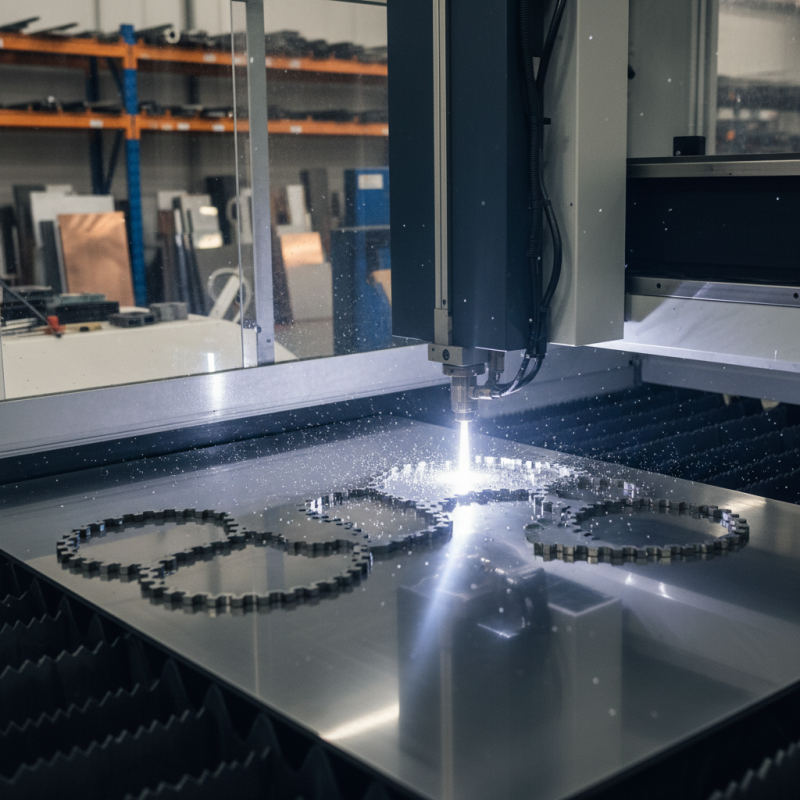
Overview of Waterjet Cutting Technology
Waterjet cutting technology has revolutionized the manufacturing industry. It uses high-pressure water to cut through various materials like metal, stone, and glass. The process involves mixing water with an abrasive material, leading to extremely precise cuts. This technique is advantageous for intricate designs and thin materials where heat may cause distortion.
The versatility of waterjet cutting is significant. It can handle different thicknesses and types of metal with impressive accuracy. However, the initial investment in waterjet cutting machinery can be high. Potential users must consider maintenance costs and the need for skilled operators. Sometimes, the process can become slower compared to laser cutting for certain materials.
Despite these challenges, waterjet cutting offers unique benefits. It produces minimal waste and does not create heat-affected zones. This feature makes it ideal for precision work. While it might not fit every project, those requiring detailed cuts often find it most effective. The technology continues to evolve, highlighting the importance of staying informed about new developments.
Key Features of Precision Waterjet Cutting Machinery
When considering precision metal cutting, waterjet cutting machinery stands out. One of the key features is its ability to cut complex shapes without altering the material properties. According to industry reports, waterjet cutting reduces heat-affected zones by up to 90%. This ensures minimal thermal distortion, which is crucial for materials like aluminum and stainless steel.
Another vital characteristic is the versatility of waterjet machines. They can cut various materials, from metal to glass and stone. The dynamic cutting head technology allows for intricate designs to be achieved efficiently. A report from the Fabricators & Manufacturers Association states that this versatility can lead to a 30% increase in productivity. However, while these machines provide numerous advantages, users often struggle with maintenance issues. Regular servicing is essential to keep precision levels intact.
Moreover, the precision of waterjet cutting depends largely on the control software. Advanced CAD/CAM integration can significantly optimize the workflow. Experts believe that, with better software solutions, accuracy can improve by nearly 25%. Yet, the learning curve for operators remains daunting. Many facilities find it challenging to train staff effectively, which can limit the full potential of the machinery.
Types of Waterjet Cutters for Metal Applications
Waterjet cutting technology has revolutionized metal fabrication. It offers high precision and versatility for various metal applications. There are different types of waterjet cutters designed to meet specific needs. Two common types are pure waterjet and abrasive waterjet cutters.
Pure waterjet cutters use high-pressure water alone. They excel in cutting softer materials like rubber or foam. In contrast, abrasive waterjets combine water and abrasive materials. These machines can cut through thick metals, providing a clean edge. A report by Grand View Research shows the global waterjet cutting market is expected to grow significantly, reflecting its increasing popularity in industries from automotive to aerospace.
Tips: Regular maintenance of waterjet machinery can enhance performance. Check for wear in nozzles and pumps. Clean the cutting table frequently to maintain precision.
The choice of waterjet type depends on your specific applications. For thin materials, a pure waterjet is adequate. For thicker metals, consider abrasive options. Some users report challenges with waterjet settings. Proper calibration is crucial for optimal results. Misalignment can lead to wasted materials.
Factors to Consider When Choosing Waterjet Machinery
When selecting waterjet cutting machinery, precision is paramount. The type of pump is crucial. High-pressure pumps can reach 90,000 psi, offering superior cutting capabilities. However, efficiency can be a concern. A report by the WaterJet Technology Association revealed that only 55% of the energy used by a pump is effective for cutting. This means you need to consider energy consumption alongside cutting power.
The cutting head design also plays a significant role. A well-designed mixing chamber can enhance the efficiency of abrasive materials. Some models provide a 30% increase in cutting speed due to superior water and abrasive mixing. Yet, maintenance can be a hassle. Users often overlook the wear and tear on these components. This oversight can lead to inaccuracies over time.
Software integration is another factor. Advanced systems offer real-time monitoring and adjustments. They can optimize cutting paths and reduce waste. Still, the learning curve can be steep. Operators may find initial setup challenging, impacting overall productivity. A well-rounded approach to selecting machinery includes examining these variables closely. Each detail contributes to the broader goal of achieving high-precision cuts effectively.
Best Waterjet Cutting Machinery for Precision Metal Cutting
Top Brands and Models in Waterjet Cutting Equipment
Waterjet cutting technology offers precision and versatility for metal fabrication. This method uses high-pressure water mixed with abrasives to cut through various materials. According to a recent industry report, the global waterjet cutting market is projected to reach $1.4 billion by 2027. This growth indicates the rising demand for efficient and accurate cutting solutions.
Several notable models stand out in the waterjet cutting equipment world. These machines typically feature advanced software that enhances precision. For instance, a unit may operate at pressures exceeding 90,000 PSI. This capability allows for intricate designs with minimal material wastage. However, issues can arise with maintenance. Regular servicing is crucial to maintain optimal performance levels, yet many users overlook this aspect.
Each brand offers unique features that cater to different user needs. Some prioritize speed, while others focus on precision. It’s essential to match the machine with specific application requirements. The learning curve can be steep. Operators may require extensive training to master these machines effectively. The investment is significant, and only time will reveal if it pays off in productivity gains.
Best Waterjet Cutting Machinery for Precision Metal Cutting
| Model | Cutting Area (inches) | Max Cutting Thickness (inches) | Pump Power (HP) | Accuracy (± mm) | Price Range ($) |
| Model A | 48 x 96 | 6 | 30 | 0.1 | 30,000 - 50,000 |
| Model B | 60 x 120 | 8 | 50 | 0.05 | 40,000 - 70,000 |
| Model C | 72 x 144 | 10 | 60 | 0.08 | 50,000 - 90,000 |
| Model D | 48 x 72 | 5 | 25 | 0.1 | 20,000 - 35,000 |