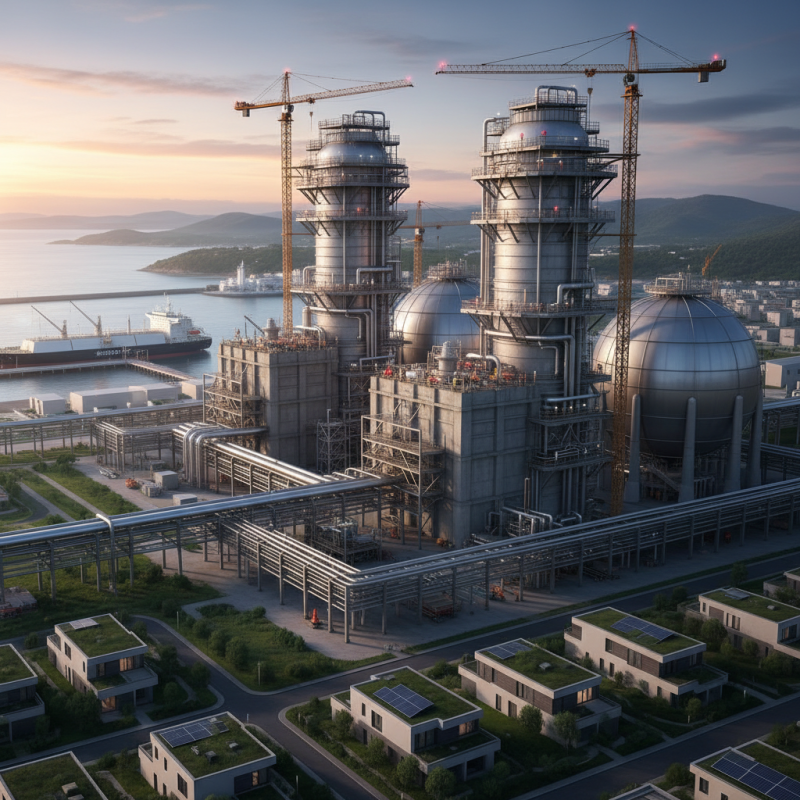
How to Build a Liquefaction Plant in 2026?
Building a Liquefaction Plant in 2026 presents both challenges and opportunities. The liquefaction plant transforms gas into a liquid form, enabling efficient transport and storage. This conversion process is crucial for meeting global energy demands.
Key factors must be considered during the design phase. Selecting a suitable location is essential. The site must be accessible, yet safe from environmental hazards. Additionally, engaging with local communities is important. Their input can guide project development.
The technology used is evolving rapidly. New methods may enhance efficiency and reduce costs. However, it’s vital to analyze these innovations critically. Not all technologies are suitable for every project. A careful evaluation process is necessary. Engaging experts can mitigate risks and ensure the plant meets its intended goals.
Overview of Liquefaction Plant Technologies and Processes
Building a liquefaction plant requires a deep understanding of various technologies and processes. The process begins with gas treatment. Removing impurities from natural gas is critical. This step ensures the gas meets specifications for liquefaction. Many operators use absorbents or membranes to purify the gas. Each method has its pros and cons.
Next, cooling systems come into play. The gas needs to be cooled down to very low temperatures. This usually involves stages of compression and refrigeration. Different cooling cycles can be chosen based on site conditions. However, selecting the right technology can lead to unexpected challenges. Each design decision impacts efficiency and costs.
Moreover, storage and transportation are essential. Liquefied natural gas (LNG) must be stored in specialized tanks. These tanks provide insulation to keep the gas in a liquid state. However, leaks or failures in storage can occur. It's crucial to design facilities with safety in mind. Regular inspections will be necessary to prevent issues. The path to building an efficient liquefaction plant is filled with complexities that require constant evaluation and improvement.
Key Considerations for Site Selection and Environmental Impact
Choosing the right site for a liquefaction plant is crucial. Environmental considerations play a significant role in this process. According to a 2022 industry report, it's essential to assess local ecosystems and wildlife habitats. Proximity to water bodies can raise potential risks. Furthermore, understanding local weather patterns is important. Areas prone to natural disasters, such as flooding or earthquakes, should be avoided.
Impact assessments are key to compliance. Detailed environmental studies can reveal much about soil quality and air quality. For instance, a study in early 2023 highlighted that 45% of plants faced challenges due to soil contamination. These assessments can also uncover community concerns. Engaging with local stakeholders helps build trust, yet many overlook this step.
Transportation infrastructure is another key factor. A plant needs effective access to supply chains. However, site selection often prioritizes cost over environmental impact. This short-sightedness can lead to long-term consequences. Balancing operational efficiency with environmental stewardship is complicated but necessary. At times, it is essential to rethink traditional site selection approaches.
Water Consumption for Liquefaction Plant Operations
Detailed Planning and Design Phases for a Liquefaction Facility
Building a liquefaction plant requires meticulous planning and design phases. Understanding site selection is crucial. A comprehensive site analysis can optimize efficiency and reduce costs. According to a recent industry report, improper site selection can inflate costs by up to 30%. Assessing geological conditions is a must. Soil stability impacts design specifications.
In the design phase, consider the capacity and technology needed. Industry data indicates that well-designed plants can achieve up to 90% energy efficiency. However, many projects overlook the importance of integration. Failing to incorporate local infrastructure can lead to significant delays. Planning must include pipeline layouts and loading facilities.
Regulatory compliance also presents challenges. Engaging with local authorities early in the process is essential. Delays due to permits can extend project timelines by several months. These factors can create bottlenecks. Proper coordination among engineering teams is necessary. It's not just about building; it's about building efficiently.
Essential Equipment and Technology Choices in Plant Construction
Building a liquefaction plant involves careful planning and equipment selection. The choice of technology is crucial. You need reliable machinery and advanced processes to ensure high efficiency. Consider using modular units for scalability. They can be built in phases, making adjustments easier.
When selecting equipment, focus on compressors and heat exchangers. These components play a critical role in the liquefaction process. Efficiency affects overall output. Regular maintenance is essential to avoid downtime. Sometimes, the latest technology may not be the best fit for your needs.
Tips: Always evaluate your specific requirements. Take into account local regulations and available resources. Collaborate with engineers to assess the best fit for your project. Don't shy away from seeking advice from industry experts. Their experience can save costs and time. Small errors in planning can lead to major setbacks. Remember to reflect on the feedback you receive during the planning stage.
Regulatory Compliance and Safety Standards in Liquefaction Operations
Building a liquefaction plant in 2026 demands strict adherence to regulatory compliance and safety standards. Safety regulations vary by region. Each jurisdiction has unique requirements that must be followed. It is essential to conduct thorough research on local laws. Engaging with local experts can prevent costly mistakes.
Tips: Regular training for staff on compliance is vital. They should understand the safety protocols thoroughly. Create a culture of safety where everyone speaks up about risks.
Documentation becomes integral in the compliance process. File all reports accurately and on time. Regular audits can reveal compliance gaps. These gaps must be addressed promptly to avoid sanctions.
Tips: Implement a transparent auditing process. This allows a continuous feedback loop for improvement. Share audit results with your team for collective accountability.
Finally, keep communication open with regulatory bodies. Their insights can guide project milestones. It keeps the project aligned with regulations. Maintaining these relationships can enhance your project’s credibility. Build trust over time.