Why Choose a Water Chiller Machine for Your Business Needs?
In today’s competitive business environment, choosing the right equipment is crucial. A water chiller machine stands out as an essential asset for many industries, especially in manufacturing and hospitality. Renowned expert, Dr. Emily Carter, emphasizes, “A reliable water chiller machine enhances efficiency while ensuring product quality.” This statement underscores the importance of selecting the right system for specific business needs.
Water chiller machines play a vital role in temperature control, crucial for processes like food preservation and industrial applications. Their efficiency can significantly influence operational costs. However, choosing the wrong model or size can lead to inefficiencies and increased energy consumption. Businesses must often weigh their options carefully, considering factors like cooling capacity, maintenance, and initial investment.
While a water chiller machine can provide substantial benefits, it’s not without challenges. Regular maintenance is key to longevity, yet it’s frequently overlooked. A poorly maintained machine may underperform, leading to unforeseen expenses. Therefore, businesses should reflect on their long-term strategy, ensuring that the investment in a water chiller machine aligns with their operational goals and capacities.
Understanding the Functionality of Water Chiller Machines
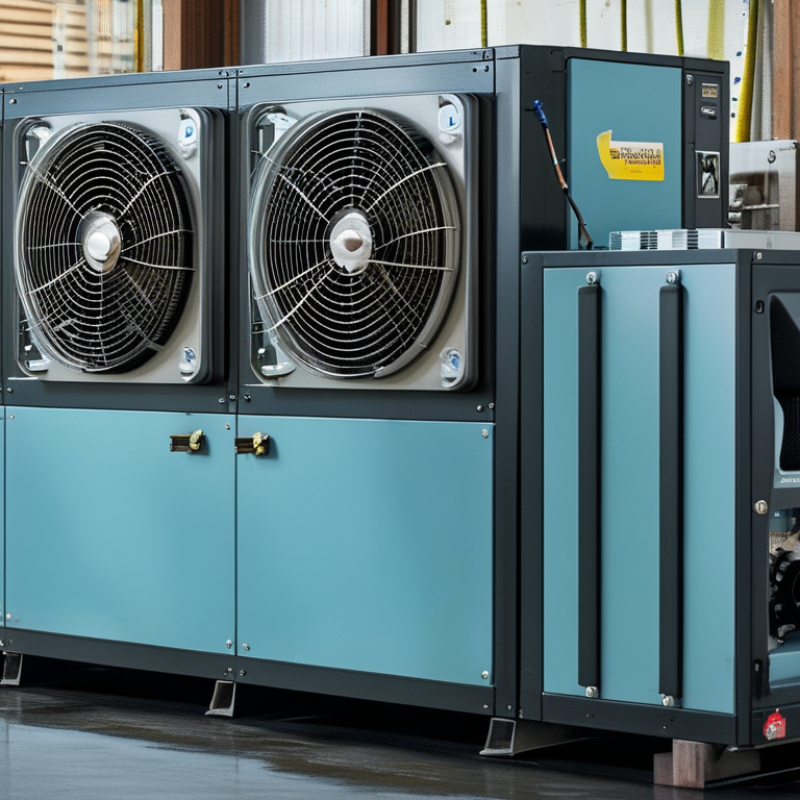
Water chiller machines play a crucial role in various industries. They ensure optimal temperatures for processes that require cooling. This functionality is essential in food and beverage production, medical facilities, and manufacturing processes. By regulating water temperature, chillers help maintain the quality and safety of products.
The operational mechanism of a water chiller involves several key components. It typically includes a compressor, condenser, evaporator, and expansion valve. Together, these parts work to absorb heat and redistribute it, effectively cooling the water. While this process seems straightforward, proper maintenance is often overlooked. Neglected chillers can lead to inefficiencies and increased energy costs.
In some cases, businesses may choose to downsize or opt for less efficient systems to cut costs. This decision can backfire, resulting in higher long-term expenses. Business owners should consider the trade-offs involved. Quality should not be sacrificed for short-term savings. Understanding how a water chiller works helps businesses make informed decisions. It allows them to evaluate their needs and invest wisely.
Key Benefits of Using Water Chillers in Industrial Applications
Water chillers play a significant role in various industrial applications. They provide cooling solutions that enhance operational efficiency. According to recent industry reports, properly maintained chillers can improve energy efficiency by as much as 20%. This significant reduction in energy consumption translates into lower operational costs for businesses. Understanding this technology is vital for making informed decisions.
In manufacturing, water chillers ensure that machinery operates at optimal temperatures. Overheated equipment can lead to costly downtimes. A well-functioning chiller reduces the risk of overheating, thus protecting investments. Industries such as pharmaceuticals and food processing often utilize chillers for precise temperature control, which is essential to meet safety and quality standards. According to a survey conducted by the International Institute of Refrigeration, over 40% of food-related businesses cite temperature management as a top challenge.
Moreover, using chillers enhances the sustainability of operations. Facilities that implement energy-efficient chillers often reduce their carbon footprint. A study from the U.S. Department of Energy highlighted that optimized chillers could lead to a decrease in greenhouse gas emissions by approximately 30%. However, not all facilities invest in regular maintenance checks, which can compromise system performance. This oversight can negate the benefits water chillers provide. Thus, understanding their impact on industrial processes is crucial for achieving efficiency and environmental goals.
Factors to Consider When Choosing a Water Chiller for Your Business
When selecting a water chiller for your business, several factors come into play. Efficiency is paramount. According to industry reports, an efficient water chiller can reduce energy costs by up to 30%. This reduction can lead to significant savings over time, especially in businesses that operate continuously. The capacity of the chiller must match your operational requirements. Oversized units waste energy, while undersized models can lead to system failures.
Reliability is another crucial aspect to consider. According to a recent survey, companies reported that cooling system failures result in an average downtime of 7 hours per incident. This not only affects productivity but can also damage sensitive equipment. Thus, choosing a unit with a robust design from reputable manufacturers can prevent costly disruptions in operations.
Regular maintenance is necessary to ensure optimal performance. A well-maintained chiller can have a lifespan of over 15 years. Neglecting this can lead to unexpected breakdowns and costly repairs. Evaluate the ease of access for servicing when making your choice. Select a model that allows for straightforward maintenance routines to ensure longevity and reliability.
Comparison of Water Chiller Efficiency Ratings
This chart illustrates the cooling efficiency ratings of different water chiller machines, measured in kilowatts per ton (kW/ton). Higher efficiency ratings indicate better performance and energy use, making it essential for businesses to consider when selecting a water chiller.
Common Applications of Water Chiller Machines Across Industries
Water chiller machines are becoming essential in various industries. They effectively manage heat, ensuring optimal operation. In food processing, maintaining low temperatures is critical. According to a recent report from the International Institute of Refrigeration, around 30% of all food is wasted due to improper temperature management. Water chillers can help significantly reduce this waste.
In the manufacturing sector, water chillers are pivotal in cooling equipment. They prevent overheating, which can lead to equipment failure. A study by the Energy Efficiency Industrial Consortium shows that implementing water chillers can reduce energy costs by up to 20%. This not only boosts productivity but also allows businesses to allocate resources more effectively.
Water chillers are also crucial in medical and pharmaceutical applications. For instance, they are used in controlled environments for drug production and storage. The World Health Organization emphasizes the need for precise temperature control to ensure medication efficacy. A failure in temperature control can lead to severe consequences, reflecting the high stakes involved. However, some businesses may overlook the importance of regular maintenance, leading to inefficient operations. Investing in reliable water chiller technology and maintenance can prevent such issues.
Maintenance Tips for Maximizing the Efficiency of Water Chillers
Water chillers are essential in various industries. To keep these machines running efficiently, proper maintenance is crucial. Regular cleaning of filters is an easy yet impactful task. Dirty filters can restrict airflow, causing the system to work harder and consume more energy. This simple act can prolong the life of your chiller.
Check the refrigerant levels frequently. Low levels can indicate leaks, which need immediate attention. Monitoring these levels helps maintain efficiency. Additionally, inspecting the pump regularly ensures optimal flow rates. If you notice unusual noises, it may signal potential issues needing repair.
Don't overlook the significance of regular inspections. An experienced technician can pinpoint problems before they escalate. This proactive approach not only saves money but also enhances system reliability. Adapting maintenance schedules based on actual usage patterns can further improve performance. Remember, neglecting these practices leads to inefficiency and increased operational costs.
Why Choose a Water Chiller Machine for Your Business Needs? - Maintenance Tips for Maximizing the Efficiency of Water Chillers
| Aspect |
Importance |
Maintenance Tips |
Frequency |
| Water Quality |
Prevents corrosion and scaling |
Use water treatment solutions |
Monthly |
| Condenser Cleaning |
Ensures efficient heat transfer |
Clean condenser coils regularly |
Quarterly |
| Refrigerant Levels |
Maintains cooling efficiency |
Check and refill as necessary |
Biannually |
| Electrical Connections |
Prevents operational failures |
Inspect and tighten connections |
Annually |
| Insulation Check |
Reduces energy loss |
Inspect and replace as needed |
Annually |