How to Choose the Best Battery Spot Welder for Your Needs?
Choosing the right battery spot welder can be challenging. With so many options available, it’s crucial to know what features matter most. Your specific needs will guide your decision.
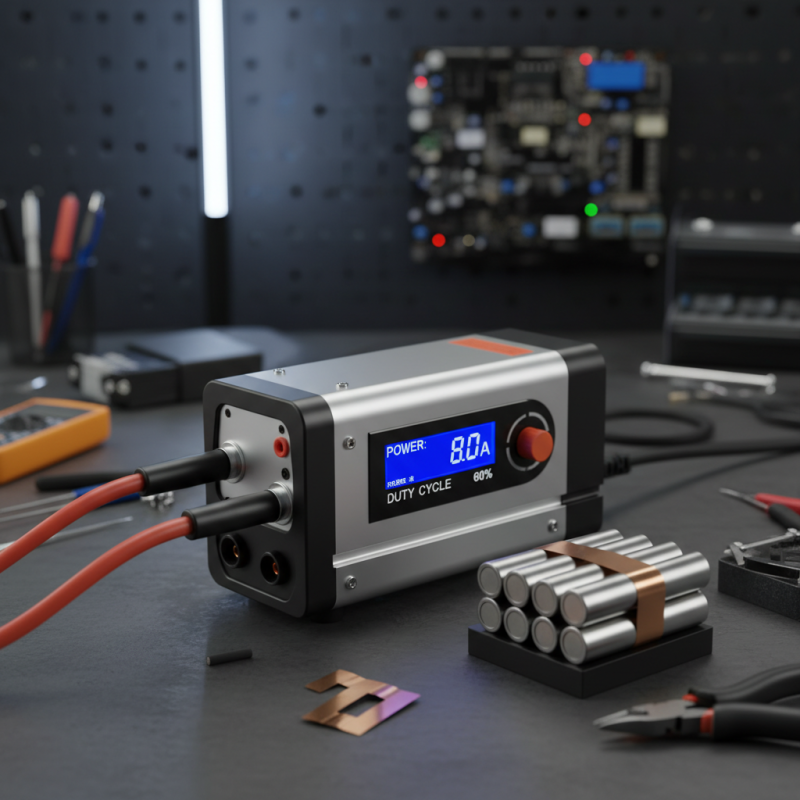
A battery spot welder is essential for various applications, from DIY projects to professional use. Consider factors like power output, duty cycle, and portability. Each aspect plays a significant role in performance and usability. An overly complicated welder may lead to frustration, while a basic model might not meet your requirements.
Take time to research different models. Read user reviews and technical specifications. Look for trusted brands known for reliability. Remember, a battery spot welder that works for one task might not be suitable for another. Balancing quality and affordability is key. Avoid making hasty decisions that could lead to regret later on; a well-informed choice is always better.
Understanding Battery Spot Welding and Its Applications
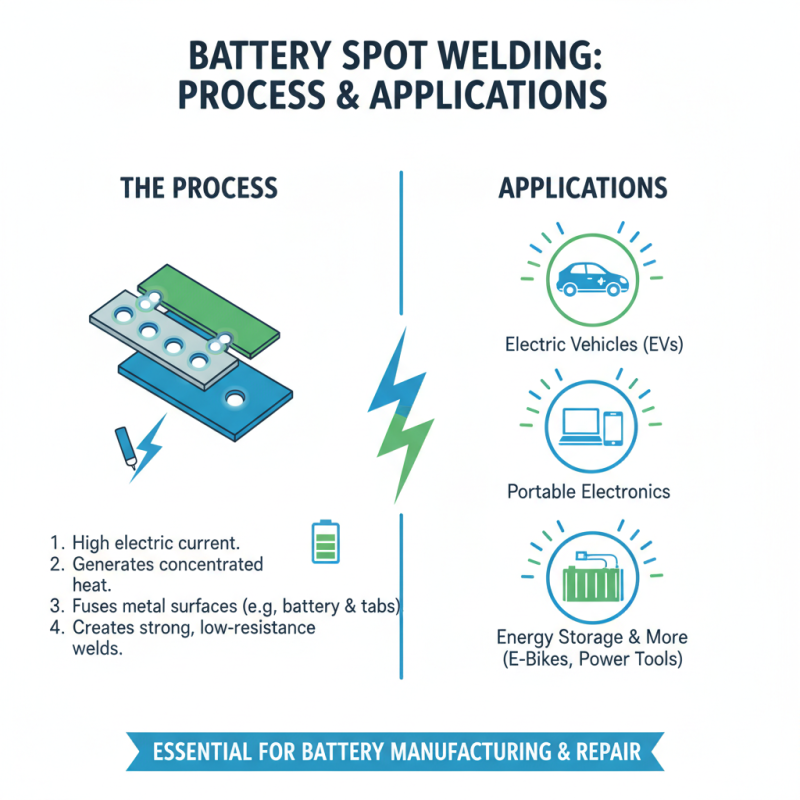
Battery spot welding is a crucial process in various industries, particularly in battery manufacturing and repair. This technique involves creating strong welds between metal surfaces using heat generated by electric current. The applications of battery spot welding are vast, ranging from electric vehicles to portable electronics. Understanding the mechanics of this process is essential for anyone involved in battery assembly or maintenance.
The welding process typically requires precision and expertise. Operators must control the current, pressure, and timing effectively. This is where experience comes into play. A skilled welder can minimize defects and improve the quality of the welds. Missteps can lead to weak connections or damage to battery cells. It's not uncommon for welders to face challenges like inconsistent power supply or improper alignment.
Choosing the right equipment can also be daunting. Various factors influence the selection, such as material type, thickness, and the project's scale. Some welders underestimate the importance of these specifications. A one-size-fits-all approach rarely works in practice. Experimentation and adjustment are often necessary for optimal results. Taking the time to evaluate the needs and limitations can lead to better outcomes in battery spot welding.
Key Features to Consider in a Battery Spot Welder
When selecting a battery spot welder, understanding the essential features is crucial. Wattage is a key factor. A welder with adequate wattage ensures strong, reliable welds. Look for a model providing at least 500 watts for small to medium tasks. Higher wattage typically means faster weld times, which is beneficial for efficiency.
Durability matters as well. The welder should feature robust materials, particularly in the welding tips. Look for models with replaceable tips. This is a cost-effective way to maintain performance over time. Additionally, the ease of use is vital. A user-friendly interface can significantly enhance your experience. Controls should be intuitive, allowing you to adjust settings quickly.
Consider the weight of the welder. Heavier models may offer stability but can be cumbersome during extended use. Conversely, lightweight options are more portable but may compromise on sturdiness. Reflect on your specific needs. If you plan on using the welder frequently, investing in quality makes sense. However, if it's for occasional projects, consider a more budget-friendly option. Balancing these aspects will help you make a better decision.
Evaluating the Power and Capacity for Your Welding Needs
When evaluating the power and capacity of a battery spot welder, understanding your specific welding needs is essential. Power is a critical factor. It directly influences the welding speed and quality. Higher power means faster welding, but too much power can damage delicate batteries. It is about finding the right balance.
Capacity is just as vital. A welder's capacity refers to the thickness and type of materials it can handle. If you're working with small, thin components, you may not need a high-capacity welder. Yet, if you're joining thicker materials, a more robust option is necessary. Knowing the materials you will frequently work with helps in making an informed decision.
Consider your typical projects and their requirements. Reflect on how often you will use the welder. An occasional hobbyist may not need the same specifications as a professional. Think about the limitations, too. Not all welders perform well under high-stress conditions. Assessing your actual needs can steer you toward the right choice effectively.
How to Choose the Best Battery Spot Welder for Your Needs?
| Model |
Power (W) |
Max Current (A) |
Duty Cycle (%) |
Weight (kg) |
Price ($) |
| Model A |
1500 |
450 |
60 |
2.5 |
199 |
| Model B |
2000 |
600 |
80 |
3.0 |
249 |
| Model C |
2500 |
700 |
70 |
4.0 |
299 |
| Model D |
1200 |
350 |
50 |
2.2 |
159 |
| Model E |
3000 |
800 |
75 |
5.0 |
399 |
Portability and Design: Choosing the Right Welder for Your Space
When choosing a battery spot welder, portability and design are crucial factors. Consider the size and weight of the welder. A compact design allows for easier transport and storage, especially in smaller workspaces. Look for features that enhance mobility, like sturdy handles or wheels. A welder that you can easily move saves time and helps you work in various locations with minimal effort.
Evaluate the design for functionality. A user-friendly interface can make or break your welding experience. Consider if controls are easily accessible and intuitive. Some designs may look sleek but can be cumbersome in practice. A well-thought-out design reduces error, making your welding projects more efficient. Balance between aesthetics and usability should guide your selection process.
You might find certain models appealing at first glance but could struggle with their practical use later. It's essential to test out the product before buying. Equipment that seems portable might become unwieldy during projects. Weighing pros and cons ahead of time can prevent future frustration. Choose a welder that fits both your space and your specific needs.
Battery Spot Welder Portability Comparison
Comparing Brands and Models: Finding the Best Value for Quality
Choosing the best battery spot welder involves comparing various brands and models to ensure you get the best value for your needs. According to a recent industry report by MarketsandMarkets, the global spot welding equipment market is projected to reach $4.8 billion by 2025, reflecting a growing demand for efficient welding solutions. This highlights the importance of selecting a quality welder that offers durability and performance.
When evaluating different models, consider the equipment's power output, control options, and ease of use. Look for welders that provide adjustable settings. This flexibility can greatly enhance the welding process. A welder with an inadequate power level may fail to create strong joints. Remember, users often report that higher voltage machines make for cleaner, more reliable welds.
Tips: Always read reviews from other users. Their experiences can provide insight into the reliability of specific brands. It's essential to think about available customer support and warranty options too. Manufacturers that stand by their products can save you from future headaches.
In your search, keep in mind that each model has strengths and weaknesses. Some may have a steeper learning curve. Be prepared to invest time in mastering the machine. A well-informed choice will likely lead to better results in the long run.