How to Choose the Best Home Textile Fabric for Your Needs?
Choosing the right home textile fabric can be overwhelming. With so many options available, it’s easy to feel lost. Home textile fabric plays a significant role in defining the atmosphere of your space. The right fabric can enhance comfort and style, while the wrong choice may lead to dissatisfaction.
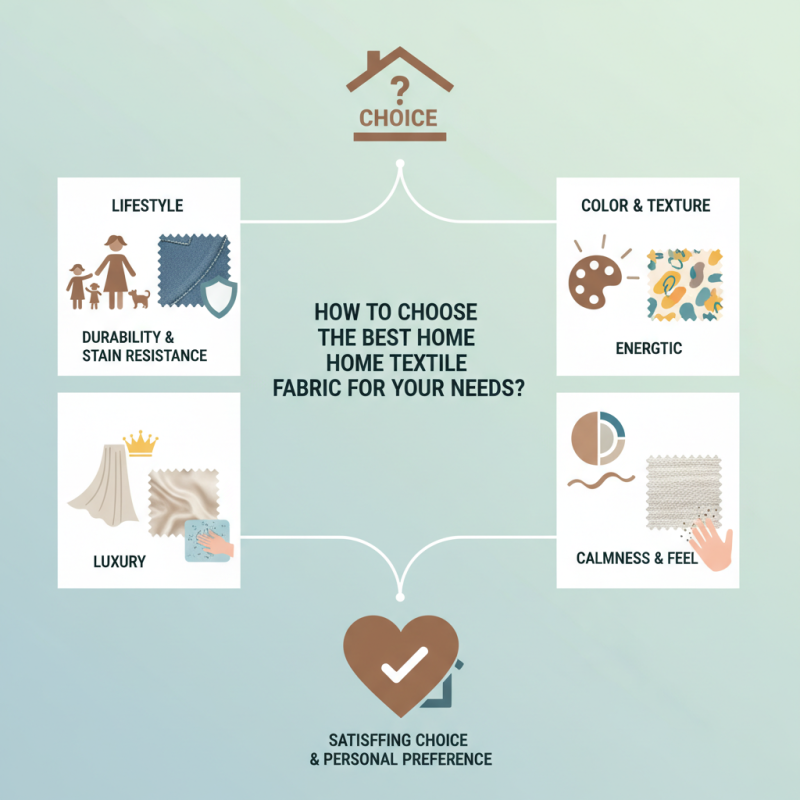
Consider your lifestyle when selecting home textile fabric. Families with kids or pets might prefer durable and stain-resistant materials. On the other hand, those seeking luxury may lean towards silk or velvet, which adds sophistication but requires more care. Each fabric type has its unique characteristics and maintenance needs.
Color and texture are equally important. They can transform a room's energy and feel. Bright colors and patterns energize a space, whereas neutral tones provide calmness. Remember, the texture can affect how a fabric feels and looks. This journey of choosing can reveal personal preferences and unexpected insights about your taste. Reflecting on what you really need can lead to a more satisfying choice.
Understand Your Needs and Preferences in Home Textiles
When selecting home textile fabrics, understanding your needs is crucial. Consider the purpose of each textile. Curtains, for instance, should provide privacy and light control. A recent report stated that 70% of homeowners prioritize functionality over aesthetics. This highlights the importance of function in your choices.
Different fibers have unique characteristics. Cotton is breathable, while polyester is durable. A study indicated that 45% of consumers prefer materials that are easy to maintain. This preference can guide your selection process. Think about your lifestyle. If you have pets or children, stain-resistant fabrics may be necessary. Choosing fabrics based solely on looks can lead to regrets.
Texture plays a vital role too. Soft fabrics invite comfort, yet they may require more upkeep. Some fabrics can be scratchy or uncomfortable against the skin. A survey found that 55% of people would sacrifice appearance for comfort. Reflect on what matters most to you. Balancing comfort, durability, and style is not easy. The right fabric should embody your priorities while blending seamlessly into your home.
Explore Different Types of Home Textile Fabrics Available
Choosing the right home textile fabric can significantly impact your space. Various types of fabrics are available. Each fabric has unique qualities and textures that can enhance your interior design. Cotton is soft and breathable, making it ideal for curtains and bed linens. It absorbs moisture well and is easy to care for, but it may not hold up against heavy use.
Linen, on the other hand, offers a natural charm. It has a crisp texture and a relaxed look. However, linen can wrinkle easily, which might not suit everyone’s taste. For those seeking durability, polyester fabrics provide a great option. They resist stains and fading, but they lack the organic feel of natural fibers. Consider mixing fabrics, too. Combining textures can create visual interest.
Silk adds luxury, but it requires delicate care. Some might struggle with maintenance. It’s essential to assess lifestyle needs. Think about the wear and tear expected in your space. Fabrics that look great may not be practical for families with pets or young children. Explore wisely and choose what truly fits your home.
Home Textile Fabric Types and Their Popularity
This chart illustrates various types of home textile fabrics and their popularity based on a survey of consumer preferences. The data highlights the key fabric categories that homeowners tend to prefer for their interior decor.
Evaluate Fabric Properties: Durability, Texture, and Maintenance
When choosing home textile fabric, evaluating fabric properties is critical. Durability often dictates how long your textiles will last. A report from the Textile Research Journal suggests that fabrics with a higher denier count exhibit increased durability. For instance, fabrics around 600 denier can withstand more wear and tear than those below 300 denier. This information matters when selecting curtains, rugs, or upholstery.
Texture also impacts comfort and aesthetics. Natural fibers like cotton and linen provide a soft touch, while synthetic fibers can feel stiff. According to the International Journal of Home Economics, people often prefer cotton for bedding due to its breathability. However, synthetic fabrics can offer easy maintenance but may lack the cozy feel of natural options. Sometimes, you compromise comfort for low upkeep.
Maintenance is another factor that shouldn't be overlooked. Some fabrics require special cleaning, while others are machine washable. A study in the Journal of Textile Science found that 45% of consumers prioritize ease of cleaning. Synthetic blends often promise low maintenance, but can trap odors and stains. Over time, this necessitates further cleaning and possible fabric degradation. Always think critically about the balance between convenience and long-term satisfaction.
Consider Color, Pattern, and Style to Match Your Décor
Choosing the right home textile fabric can transform your space. Color plays a crucial role in this process. Warm tones like red and orange can energize a room. On the other hand, cool shades such as blues and greens promote calmness. Think about the mood you want to create. Sometimes, it’s easy to overlook how colors interact with each other. A test swatch can help, but it still might not reflect the final look.
Patterns add character and depth to your décor. Stripes can make a room feel taller, while florals introduce a touch of nature. Don’t forget about the scale of patterns. Large patterns can overwhelm a small room, while tiny prints might get lost in a spacious area. Mixing patterns can be fun but requires a certain balance. It’s challenging to find that perfect match.
Style is the final piece of the puzzle. Modern designs may suit contemporary spaces, but don’t box yourself in. Vintage or eclectic textiles can create charm instead. Remember, it’s easy to get caught up in trends. What feels good in your space matters most. Don’t rush this decision. It’s okay to change your mind, even after purchasing.
How to Choose the Best Home Textile Fabric for Your Needs?
| Fabric Type | Color Options | Pattern Options | Ideal Uses |
| Cotton | White, Blue, Green | Solid, Striped, Floral | Curtains, Bedding, Towels |
| Linen | Natural, Beige, Light Grey | Solid, Textured | Tablecloths, Cushions |
| Polyester | Red, Black, Yellow | Geometric, Abstract | Decorative Pillows, Blinds |
| Silk | Gold, Ivory, Champagne | Paisley, Damask | Luxury Bedding, Drapes |
| Velvet | Deep Blue, Charcoal | Solid, Floral | Sofas, Throw Blankets |
Budgeting and Sourcing: Finding Quality Fabrics Within Your Range
When budgeting for home textile fabrics, start by setting a realistic budget. Consider the total area you need to cover. Smaller projects can afford higher quality, while larger ones may require more cost-effective choices. Look for discounts and sales. Many retailers offer seasonal promotions that can help you stretch your budget further.
Sourcing quality fabrics can be challenging. Visit local fabric stores to feel textures firsthand. Online shopping has advantages, but it’s hard to judge the quality without seeing it in person. Pay attention to the fabric's weight and drape. Explore specialty stores for unique materials. Sometimes, odd remnants can also yield great finds. It's about balancing quality and cost effectively.
Also, think about sustainability. Organic fabrics might seem expensive but last longer. Consider the lifecycle of your choice. It’s easy to overlook, yet crucial. Reflect on how often you'll use each piece. Will it hold up over time? Taking the time to research can lead to better long-term satisfaction with your selections.