How to Choose the Best Excavator Interior Accessories for Comfort?
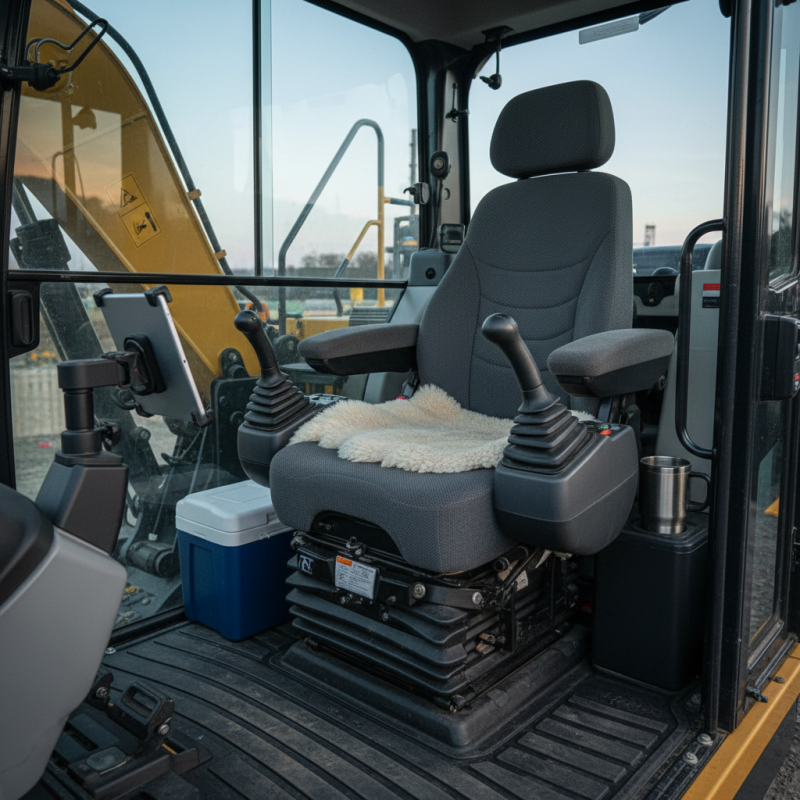
When working long hours in an excavator, comfort becomes essential. Choosing the right Excavator Interior Accessories can make a significant difference in your daily experience. From seat covers to ergonomic armrests, these accessories enhance comfort and productivity.
Many operators overlook the importance of these accessories. A poorly chosen seat can lead to fatigue and discomfort. Good armrests provide support and prevent strain during operation. It’s crucial to select accessories based on personal needs and preferences.
Consider materials and functionality. Some might prefer breathable fabrics for hot weather, while others may need heated seats for colder climates. Remember, comfort is subjective. What works for one operator might not work for another. Thoughtful selection of Excavator Interior Accessories can greatly improve your comfort level, helping you stay focused and efficient on the job.
Choosing the Right Seats for Excavator Comfort: Key Features to Consider
When choosing the right seats for excavator comfort, consider key features that can heavily impact your daily work. Seat cushion density matters. A dense cushion can provide better support over long hours. Look for adjustable lumbar support, which helps maintain proper posture. It may prevent back pain, a common issue for operators.
The seat's fabric is also crucial. Breathable materials allow for airflow. This can keep you cool during hot days. Heated seats can be a luxury during cold seasons, enhancing comfort further. Additionally, check the adjustability of the seat. A seat that slides forward or backward and offers different height settings will greatly help in finding the perfect position.
Don’t forget about armrests. They can help reduce fatigue. But, if they are too high or low, they do not help much. Stability is key; a rocking or squeaky seat can be a distraction. Comfort is not just about plush materials. Well-designed features can significantly enhance your overall experience. Keep all these elements in mind as you decide.
Understanding Noise Reduction Techniques in Excavator Interiors
Noise control plays a crucial role in the comfort of excavator operators. Excessive noise can lead to fatigue and reduced concentration. Studies show that prolonged exposure to sound levels above 85 dB can cause hearing loss. Many excavators generate noise levels ranging from 80 to 110 dB, depending on the model and operating conditions. This makes implementing noise reduction techniques vital.
Several approaches exist to mitigate noise inside excavator cabins. Acoustic insulation is one effective method. Materials like foam and sound-absorbing panels can significantly dampen sound. A report from the International Journal of Noise Control indicates that proper insulation can reduce interior noise by up to 20 dB. Window design is also important; double-glazing can further lower noise levels.
Vibration damping is another area worth considering. Vibrations transfer sound, amplifying noise. Incorporating rubber mounts can help absorb these vibrations. By focusing on these techniques, operators can improve their work environment. Undoubtedly, achieving optimal noise reduction remains challenging, but these strategies represent a clear step towards better comfort.
Essential Ergonomic Accessories for Enhanced Operator Comfort
Selecting the right ergonomic accessories for excavator interiors is crucial for operator comfort. Comfort affects productivity. Research shows that an operator can lose up to 20% efficiency due to discomfort during long hours of operation. Adjustable seats are a starting point. They should offer lumbar support and height adjustments, helping reduce strain on the lower back.
Another key accessory is a quality steering wheel cover. A textured grip can prevent slippage, as operators often spend hours maneuvering. A firm touch aids in control. Footrests are also significant; they help maintain proper posture and reduce fatigue. According to a study, operators using footrests reported a 30% increase in comfort levels.
Vibration dampeners are often overlooked but vital. Consistent vibrations can lead to long-term injuries, as a 2021 report indicated that operators exposed to excessive vibrations are at higher risk for musculoskeletal disorders. Implementing soft flooring mats can also complement these accessories, absorbing shocks and enhancing overall comfort during a shift. Each accessory plays a part in creating a conducive work environment. It's essential to continually evaluate and adjust setups based on operator feedback for optimal performance.
Evaluating Climate Control Options for Optimal Excavator Cabin Conditions
When it comes to excavator cabins, climate control is crucial for comfort. Studies indicate that temperature extremes can hinder operator productivity. Maintaining a cabin temperature of around 70°F significantly enhances focus and efficiency. In fact, a report from the Construction Industry Institute shows that productivity can drop by up to 20% when operators are uncomfortable due to poor climate control.
Ventilation systems are often overlooked, but they play a vital role. Proper airflow can reduce fatigue and increase alertness. Many operators prefer air conditioning along with heating functions. A balanced system can lead to an ideal working environment. Regular maintenance of these systems is essential. Clogged filters or malfunctioning units can create hot spots or drafts, affecting morale.
Additionally, the effect of humidity cannot be underestimated. An optimal humidity level is around 40-60%. High humidity can lead to discomfort and distraction. Operators should pay attention to how their equipment handles moisture. Even minor issues can lead to bigger problems if not addressed. Balancing these factors can take time. Each operator may have different preferences, making it essential to tailor solutions to individual needs.
How to Choose the Best Excavator Interior Accessories for Comfort? - Evaluating Climate Control Options for Optimal Excavator Cabin Conditions
| Accessory Type | Features | Benefits | Cost Range |
| Air Conditioning System | Automatic temperature control, climate zone settings | Increases comfort, reduces fatigue, suitable for varying weather | $2,000 - $5,000 |
| Heated Seats | Adjustable heating levels, ergonomic design | Enhances warmth in cold weather, provides support | $500 - $1,200 |
| Anti-vibration Mats | High-density foam, customizable shapes | Reduces operator fatigue, improves stability | $200 - $600 |
| Sunshade Canopy | UV protection, adjustable angles | Protects from direct sunlight, improves visibility | $150 - $300 |
| Cab Insulation Kits | Thermal and acoustic insulation | Maintains cabin temperature, reduces noise | $300 - $800 |
Importance of Visibility Enhancements in Excavator Interior Design
When designing the interior of an excavator, visibility plays a crucial role. Clear sightlines enhance safety and efficiency. Operators must see their surroundings without obstructions. Large windows can provide panoramic views, yet dirt and glare can hinder visibility. Anti-glare coatings on windows might help, but they are not foolproof.
Lighting is equally vital in visibility. Properly placed lights illuminate work areas, especially in low-light conditions. Operators often struggle with shadows created by equipment or the structure itself. Adjusting the angle of lights can alleviate this issue. However, this might not always be a perfect solution. Some operators prefer additional portable lights for extra visibility.
Mirrors can improve peripheral vision, but they can also be a distraction. The placement of mirrors needs careful consideration. Too often, operators find themselves adjusting mirrors mid-task. Discomfort can arise from awkward angles and positions. Ultimately, the goal should be to create an environment where operators can focus on the task without constant adjustments. Each decision in design impacts comfort and visibility in significant ways.