How to Choose the Best Air Chiller for Your Business Needs?
Choosing the right air chiller is crucial for business efficiency. Industry expert Dr. Emily Carter states, "Selecting the perfect air chiller is about balancing performance and cost-effectiveness." Her insights highlight the importance of understanding your specific cooling needs.
Air chillers are vital for various sectors, including manufacturing and food storage. Every business has unique requirements, and a one-size-fits-all approach rarely works. The right air chiller can optimize operations, reduce energy costs, and ensure product quality.
Many businesses overlook aspects like size and power consumption when purchasing an air chiller. This oversight can lead to inefficiencies and increased expenses. It's essential to evaluate different brands, technologies, and features, ensuring you make an informed decision. Take the time to understand the specific demands of your operation; the benefits can be substantial.
Factors to Consider When Selecting an Air Chiller for Commercial Use
When selecting an air chiller for commercial use, several key factors must be considered to ensure it meets your business needs. Efficiency ratings are crucial. According to a recent industry report, air chillers with higher energy efficiency ratios can reduce operational costs by up to 30%. This not only saves money but also contributes to sustainability.
Capacity is another vital aspect. It's essential to match the chiller's capacity with your facility's cooling demands. A report from the American Society of Heating, Refrigerating, and Air-Conditioning Engineers (ASHRAE) indicates that an oversized chiller can lead to inefficiencies and increased maintenance needs. Smaller units may struggle to handle peak loads, resulting in equipment failure.
Tip: Conduct a thorough load analysis before purchasing. This measurement considers factors like space size, equipment heat output, and occupancy levels.
Additionally, maintenance requirements are often overlooked. Routine inspections can extend the lifespan of chillers. According to recent findings, regular maintenance can prevent breakdowns and save up to 15% of replacement costs. Ensure that you have a reliable service plan in place.
Tip: Seek out user reviews and case studies. They provide insights into real-world experiences with different chillers and can highlight potential issues or advantages before making a decision.
Understanding Different Types of Air Chillers: Pros and Cons
When selecting an air chiller for your business, understanding the different types is essential. There are primarily two categories: air-cooled and water-cooled chillers.
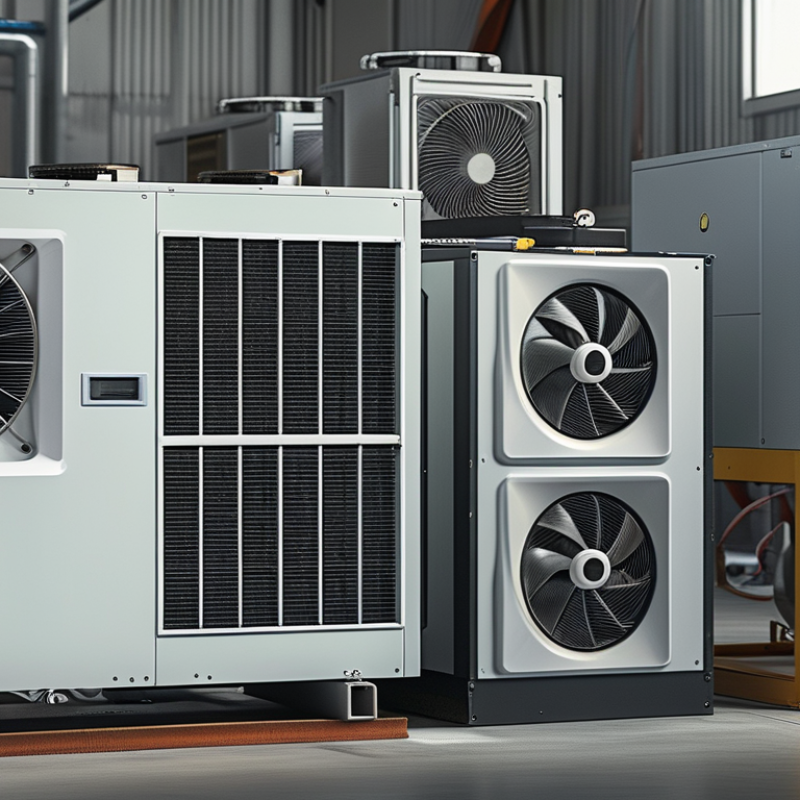
Air-cooled chillers are often easier to install. They can effectively cool a space without requiring a water source. However, they typically consume more energy and may generate more noise.
In contrast, water-cooled chillers tend to be more efficient, especially for larger facilities. They use a cooling tower, which can improve performance and reduce operational costs. Yet, these systems require more maintenance and access to a water supply.
Consider your location and budget before making a decision.
Tips: Evaluate your facility's space requirements. This helps ensure the chiller fits within your layout. Don't forget to ask about energy efficiency ratings. Saving on energy costs can positively impact your bottom line. Each chiller type has its pros and cons, and it is crucial to weigh them carefully against your business’s needs.
Evaluating Cooling Capacity: BTU and Ton Ratings Explained
When evaluating air chillers, understanding BTU and ton ratings is crucial. BTU, or British Thermal Unit, measures the energy required to cool one pound of water by one degree Fahrenheit. Ton ratings denote cooling capacity, with one ton equating to the ability to cool 12,000 BTUs per hour. This knowledge helps determine the efficiency of different air chillers for your specific business needs.
Choosing the right cooling capacity is vital. An undersized unit will struggle to maintain the desired temperature. Overly large chillers can lead to energy waste and inefficiency. To make an informed decision, consider the size of your space, the heat generated by equipment, and the number of occupants.
Tips: Assess your current and future cooling load requirements. It may be beneficial to consult with an HVAC professional to ensure you choose the right size. Regular maintenance of your chiller is also essential. It enhances performance, prolongs lifespan, and ensures reliability. Keep in mind, it can be easy to overlook these factors, but doing so can result in costly mistakes.
Assessing Energy Efficiency: SEER Ratings and Their Importance
When evaluating air chillers, energy efficiency emerges as a critical factor. Understanding SEER ratings, or Seasonally Adjusted Energy Efficiency Ratios, is essential for businesses. A higher SEER rating indicates better energy efficiency. Typically, a chiller with a SEER rating of 14 or higher is considered efficient. According to the U.S. Department of Energy, chillers account for a significant portion of energy use in commercial buildings, often exceeding 30%.
It’s worth noting that the efficiency of an air chiller can vary under different operational conditions. For instance, a chiller may perform well in cool climates but struggle in warmer regions. This inconsistency can lead to higher energy bills. Businesses should analyze their local climate and usage patterns. Regular maintenance is also a crucial element that impacts long-term efficiency and performance. In fact, poorly maintained chillers can lose up to 30% of their efficiency over time.
Opting for a chiller based solely on initial cost may seem tempting. However, this can lead to regrets down the line when energy bills rise. Consider the total cost of ownership, including maintenance and energy expenses. Investing in a high-SEER chiller might require a higher upfront cost but can yield significant savings over its lifespan. Balancing efficiency with performance requires careful consideration and ongoing evaluation.
Budgeting for Purchase and Maintenance: Cost vs. Long-term Savings
When budgeting for an air chiller, consider both purchase and maintenance costs. Initial expenses can be high. However, an efficient chiller can lead to significant savings over time. Look for models that consume less energy and have longer lifespans. They might seem pricey upfront, but lower bills can offset that expense quickly.
Maintenance costs are another aspect. Regular servicing can prevent costly breakdowns. This often requires planning in your budget. Oversights can lead to bigger problems later. Determine how to factor these recurring expenses into your overall financial strategy. Find someone knowledgeable in HVAC systems for advice. Their insights can help you avoid mistakes, turning a challenging choice into an informed decision.