How to Choose the Right Small Water Chiller for Your Needs?
Selecting the right small water chiller is crucial for various applications, including manufacturing and laboratories. According to a report by MarketsandMarkets, the small chiller market is expected to grow significantly, reaching a value of over $2 billion by 2026. This growth indicates a rising demand for efficient cooling solutions.
Experts emphasize the importance of specific requirements when choosing a small water chiller. For instance, Dr. Michael Chen, a renowned industry expert, states, "Choosing the right small water chiller can drastically enhance operational efficiency." This insight highlights the need for careful consideration of factors such as cooling capacity and energy efficiency.
When exploring options, it’s vital to reflect on your unique needs. Not every small water chiller will fit your situation perfectly. You might find it tempting to choose based solely on price. However, a more thoughtful approach will likely yield better long-term results. Investing time upfront can save costs down the road.
Understanding the Basics of Small Water Chillers
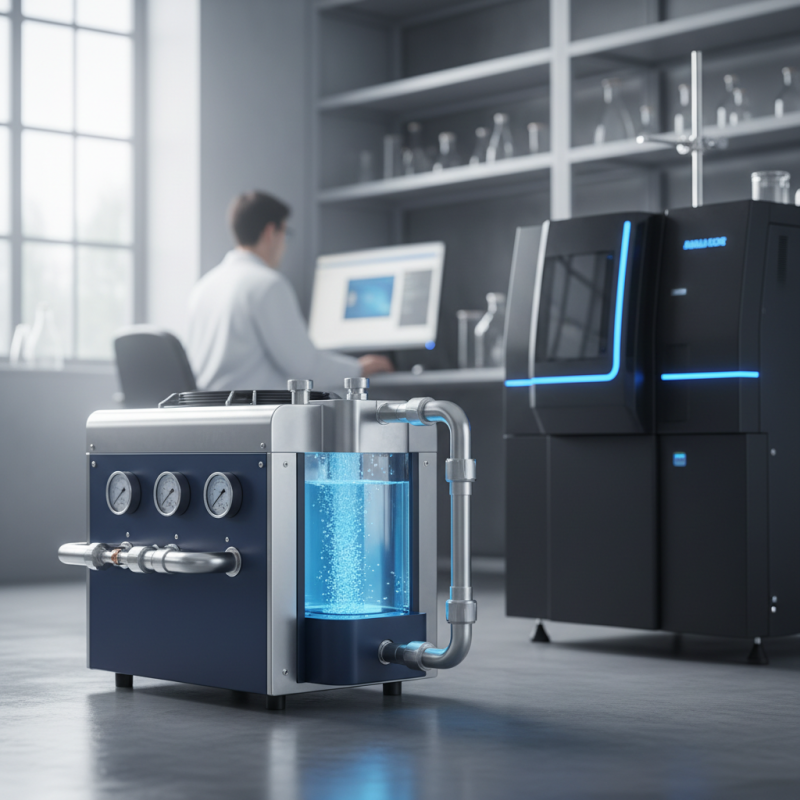
Understanding small water chillers is crucial for making an informed decision. These units cool water for various applications, from industrial uses to aquariums. A small water chiller operates by circulating water through a refrigeration system. It removes heat and lowers water temperature effectively. Their compact size makes them suitable for tight spaces. However, not all chillers are equal.
When choosing a small water chiller, consider the required cooling capacity. This is often measured in tons of refrigeration. A unit with insufficient capacity may struggle, leading to inefficiencies. Noise levels can also be a concern. Some models produce more sound than others. This can be disruptive in quieter environments. Maintenance should be factored in as well. You may need to clean filters regularly. Ignoring maintenance can lead to performance issues.
Evaluate the energy efficiency of a potential chiller too. Higher efficiency may mean lower running costs. However, upfront costs can be higher. Researching different models can help clarify this trade-off. Sometimes, users feel overwhelmed with choices and overlook critical features. Make sure to check for warranty options. An unclear warranty might indicate potential issues down the line.
How to Choose the Right Small Water Chiller for Your Needs? - Understanding the Basics of Small Water Chillers
| Chiller Type |
Cooling Capacity (kW) |
Flow Rate (L/min) |
Energy Efficiency Ratio (EER) |
Applications |
| Air-Cooled |
5 |
20 |
3.5 |
Industrial Cooling, Medical Equipment |
| Water-Cooled |
7 |
25 |
4.0 |
Laser Cutting, Plastic Injection Molding |
| Portable |
2 |
10 |
3.0 |
Event Cooling, Small Electronics |
| Split Chiller |
10 |
30 |
4.5 |
HVAC Systems, Data Centers |
| Low-Temperature |
3 |
15 |
3.2 |
Food Processing, Chemical Manufacturing |
Identifying Your Specific Cooling Requirements
Choosing the right small water chiller begins with understanding your specific
cooling requirements. Every application is unique.
A chiller's capacity, flow rate, and temperature range must align with your needs.
Industry data suggests that improper sizing can lead to
energy inefficiency
and increased operational costs.
Consider the heat load generated by your equipment. For instance, a typical CNC machine may require
anywhere from 1 to 5 tons of cooling.
Understanding the BTU output of your machinery is crucial. If you miscalculate this, you might end up
with a chiller that is either overworked or
underused. A report from the Energy Efficiency Council
indicates that improper equipment sizing can increase energy consumption by up to
30%.
Next, consider environmental conditions. Ambient temperatures can affect chiller performance.
If your facility experiences high ambient heat, a larger unit may be necessary. Furthermore,
think about the specific applications and processes. Does your setup demand a
temperature variance of a few degrees, or does it require
tight temperature control? Adjusting for these details
can drive efficiency. Often, facilities overlook these aspects, resulting in
costly downtime.
It pays to reflect on the precision you need.
Evaluating Key Features and Specifications of Water Chillers
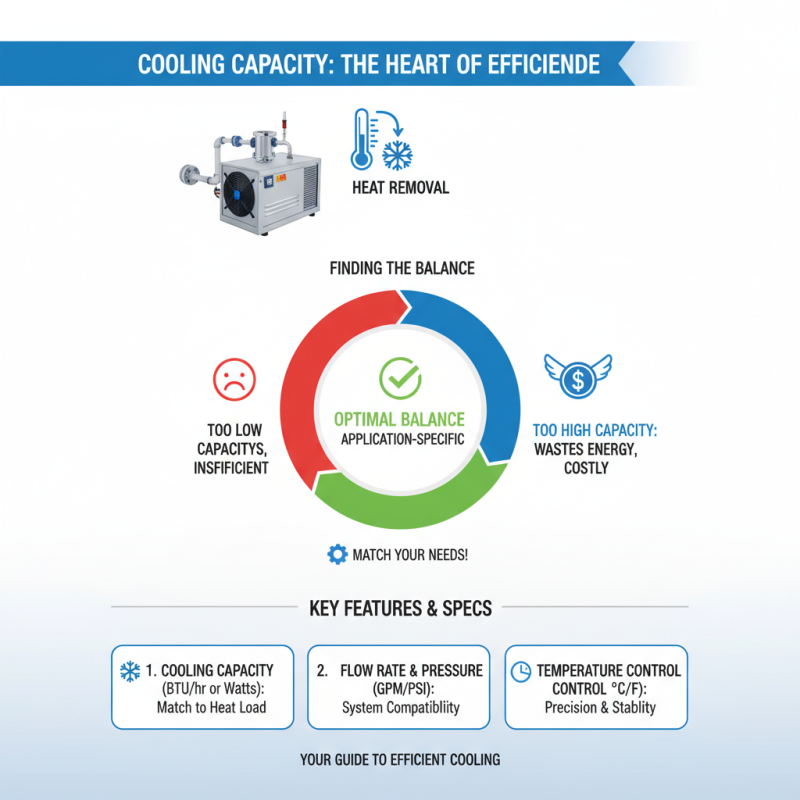
Choosing the right small water chiller involves understanding key features and specifications. Start with cooling capacity. This determines how much heat removal you need. A unit with too low capacity will struggle, while one that is too high may waste energy. Aim for a balance based on your specific application.
Next, consider energy efficiency ratings. A higher rating often means lower operating costs. Look for chillers that offer features like variable speed compressors. These can adjust to your cooling load, promoting efficiency. Don't forget about physical dimensions. Ensure that the chiller fits in your intended space without any hassle.
Finally, reflect on the noise level. Some units can be quite loud, which might not be suitable for all environments. Check the decibel rating before making a decision. It’s essential to assess your requirements carefully. Overlooking these specifications could lead to poor performance or unnecessary expenses.
Comparing Different Types and Models of Small Water Chillers
When selecting a small water chiller, understanding the types available is crucial. Air-cooled chillers are popular for their simplicity and lower installation costs. They require less space and are often quieter during operation. However, they may not be as efficient in hotter climates. Water-cooled chillers have higher initial costs and need a cooling tower. While they operate quietly and have better efficiency, installation might be complicated.
Consider the capacity of the chiller, which depends on your cooling needs. Smaller models may suffice for residential applications. Larger units are essential for more industrial tasks. Power consumption is another factor to analyze. More power means higher operational costs. You might think a larger unit is more efficient, but that's not always true. Sometimes, smaller models use energy more effectively.
Look into the specific features offered by different models. Some may include advanced controls, while others offer basic operation. Durability is also a concern, especially if the unit operates in harsh environments. A more robust model might cost more upfront but save you on repairs later. Remember, the right choice isn't just about immediate needs; it's also about how the unit affects overall efficiency and long-term costs.
Comparative Analysis of Small Water Chillers
Budgeting and Cost Considerations for Your Water Chiller Purchase
Budgeting for a small water chiller can be tricky. A reliable chiller has a range of costs. Depending on the capacity and features, prices can start at around $1,000. More advanced models can exceed $10,000. Knowing your budget is vital to avoid overspending.
Maintenance costs also add up. The average annual maintenance for chillers is estimated at 5% of the initial cost. If your chiller breaks down, repairs can be significant. On average, repairs can range from $200 to $2,000. Consider these ongoing expenses when planning your budget.
Energy efficiency plays a crucial role in budgeting. According to industry reports, energy-efficient models can save up to 30% on electric bills. This could translate to significant savings over time. Investing initially in a more efficient model might yield financial benefits in the long run. However, the upfront cost could deter some buyers. Balancing cost and efficiency is essential.