
How to Choose the Right Water Chiller Unit?
Choosing the right water chiller unit is not simply a matter of comparing cooling capacity or purchase price. The correct choice depends on heat load, water flow, temperature requirements, installation space, and operating conditions. A system cooling process water at 7°C faces different demands from one serving a laser, mold, or commercial building. Small differences matter. For example, a restricted pipe, dirty condenser, or unstable power supply can reduce performance before the equipment reaches its rated life. A practical evaluation should begin with measured operating data, not guesses from a supplier brochure.
Reliable selection also requires attention to efficiency, control accuracy, maintenance access, noise, and long-term service support. Engineers should check the unit’s performance at the actual entering-water and ambient temperatures. They should also review pump pressure, refrigerant type, compressor design, safety features, and applicable technical standards. Experienced technicians often recommend leaving a sensible capacity margin, but excessive oversizing may cause short cycling and unnecessary energy use. That assumption can fail. Manufacturer data is valuable, yet it should be compared with independent calculations and site conditions. Ask for testing records, warranty terms, spare-parts availability, and documented maintenance requirements. A trustworthy supplier will explain limitations instead of promising perfect results. This guide examines these practical factors, helping buyers select a water chiller unit that performs reliably, uses energy responsibly, and remains serviceable throughout its working life. The final decision should reflect real operating needs, not marketing language alone.
Understanding What a Water Chiller Unit Does
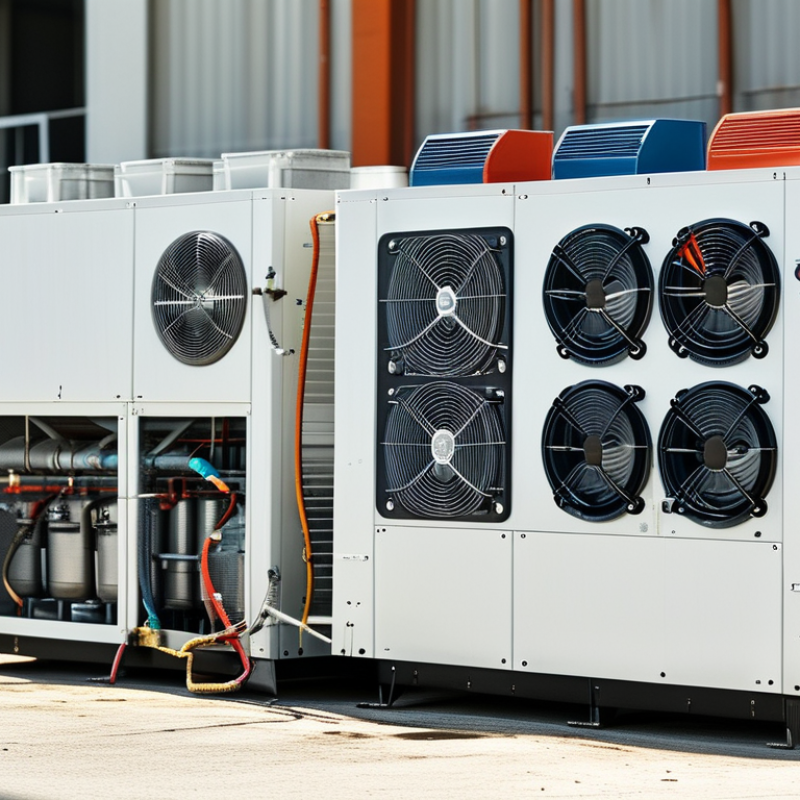
A water chiller unit removes heat from water and transfers it to the surrounding air or another cooling medium. In practical terms, it creates a continuous flow of cooled water for equipment, buildings, or industrial processes. The chilled water passes through heat exchangers, absorbs unwanted heat, and returns warmer to the unit. The refrigeration cycle then cools it again.
Inside the system, the evaporator absorbs heat from the returning water. The compressor raises refrigerant pressure, while the condenser releases heat. An expansion device lowers the refrigerant pressure before the cycle repeats. This sounds simple, but operating conditions matter. A unit designed for a small workshop may struggle in a dusty factory with high outdoor temperatures. Water flow, cooling capacity, ambient temperature, and required outlet temperature should guide the selection.
I have seen systems perform poorly because users focused only on rated cooling capacity. Pipe length, pump pressure, water quality, and heat-load changes were overlooked. That mistake can increase energy use and shorten component life. A water-cooled model may need a reliable cooling tower and regular water treatment. An air-cooled model often offers simpler installation, but it needs clear airflow around the condenser. Check filters, leaks, abnormal noise, and temperature changes during operation. Measurements are more trustworthy than assumptions. Allow some design margin, though excessive capacity can also cause inefficient cycling.
How to Choose the Right Water Chiller Unit? - Understanding What a Water Chiller Unit Does
| Selection Dimension | What the Water Chiller Unit Does | Typical Values or Options | What to Check Before Selection | Practical Recommendation |
|---|---|---|---|---|
| Cooling Capacity | Removes heat from process water or a water-glycol mixture and rejects that heat to air or cooling water. | Approximately 2–1,500 kW for common commercial and industrial systems. | Calculate the actual heat load, including equipment heat, product heat, pump heat, and expected safety margin. | Choose a unit with about 10–20% reserve capacity rather than selecting solely by nominal equipment size. |
| Chiller Type | Uses a refrigeration circuit to cool circulating fluid. Condenser design determines how heat is discharged. | Air-cooled: rejects heat to outdoor air. Water-cooled: rejects heat to condenser water. |
Review available space, ambient conditions, cooling-tower or condenser-water availability, and water treatment requirements. | Air-cooled systems are generally simpler to install. Water-cooled systems can be more efficient where suitable condenser-water infrastructure is available. |
| Leaving Water Temperature | Maintains the target temperature of the fluid supplied to the process or air-conditioning system. | Common comfort-cooling range: approximately 6–12°C. Industrial processes may require temperatures below 6°C or above 12°C. |
Confirm the required supply temperature, return temperature, allowable temperature fluctuation, and minimum operating setpoint. | Do not select a chiller only by cooling capacity; capacity and efficiency can change significantly at lower leaving-water temperatures. |
| Temperature Difference | Transfers heat from the return fluid to the refrigerant through the evaporator. | Typical chilled-water design difference: approximately 5–6 K in many comfort-cooling applications. | Compare the required inlet and outlet temperatures and ensure the selected unit is rated for the intended flow and temperature difference. | A larger practical temperature difference can reduce required water flow, but the connected process must be able to operate at that condition. |
| Water or Fluid Flow Rate | Circulates cooled fluid through heat exchangers, machinery, molds, air handlers, or process equipment. | Flow depends on cooling capacity and temperature difference. For water: Flow ≈ Cooling Capacity ÷ (4.186 × Temperature Difference) when capacity is in kW and flow is in L/s. |
Check minimum and maximum flow limits, pipe size, pump head, system resistance, and whether a buffer tank is needed. | Keep flow within the manufacturer’s rated range to avoid poor heat transfer, nuisance alarms, or evaporator freezing. |
| Energy Efficiency | Uses electrical energy to move heat from the chilled fluid to the heat-rejection side. | Common performance indicators include COP and EER. Seasonal or integrated efficiency is more useful than a single full-load value. | Compare efficiency at the actual design load, entering and leaving temperatures, ambient temperature, and part-load conditions. | Variable-speed compressors, electronically controlled fans, and effective part-load control can reduce energy use when demand varies. |
| Operating Environment | Provides stable cooling under the surrounding temperature, humidity, altitude, and installation conditions. | Air-cooled units commonly operate outdoors, but maximum ambient temperature varies by design. High altitude may reduce air-side performance. | Verify design ambient temperature, altitude, dust exposure, corrosion risk, ventilation, rain protection, and required enclosure rating. | For hot or dusty locations, select equipment specifically rated for the site conditions and provide adequate airflow and maintenance access. |
| Fluid Quality | Transfers heat through the evaporator while circulating continuously through the system. | Water is common; water-glycol mixtures may be used for freeze protection. Glycol generally reduces heat-transfer performance and increases pressure drop. | Check fluid concentration, pH, hardness, corrosion potential, filtration, conductivity, and compatibility with seals and heat exchangers. | Use treated fluid and follow a documented cleaning, filtration, and water-quality program to protect heat-transfer surfaces. |
| Refrigerant and Compliance | Evaporates at low pressure to absorb heat and condenses at higher pressure to reject heat. | Refrigerant selection depends on safety classification, local regulations, efficiency, service availability, and environmental requirements. | Review applicable refrigerant phase-down rules, global-warming impact, flammability or toxicity classification, and technician requirements. | Specify a refrigerant that complies with the installation location’s current regulations and supports long-term serviceability. |
| Noise and Vibration | Produces sound and mechanical vibration through compressors, fans, pumps, and refrigerant flow. | Noise performance is normally stated as sound pressure or sound power, measured under defined conditions. | Check the required sound limit, measurement distance, mounting surface, nearby occupied spaces, and nighttime operating conditions. | Use resilient mounts, flexible connections, acoustic barriers, or a lower-noise configuration where the unit is close to occupied areas. |
| Controls and Protection | Monitors temperatures, pressures, flow, and safety conditions while regulating cooling output. | Common functions include temperature control, high- and low-pressure protection, freeze protection, flow proving, and alarm logging. | Confirm compatibility with building-management systems, remote monitoring, communication protocols, and required alarm contacts. | Select controls that provide clear status information, adjustable setpoints, fault history, and automatic protection against low-flow or freeze conditions. |
| Installation and Maintenance | Requires electrical power, fluid connections, condensate or drainage provisions where applicable, and service clearance. | Maintenance typically includes filter cleaning, coil or condenser cleaning, fluid inspection, leak checks, and periodic performance testing. | Measure available footprint, access routes, lifting limits, service clearances, power supply, and connection locations. | Choose a unit that can be safely accessed for routine maintenance; lower purchase cost may lead to higher lifecycle cost if service access is poor. |
| Redundancy and Reliability | Maintains process temperature and protects connected equipment during changing loads or component faults. | Options include multiple compressors, staged units, standby pumps, dual circuits, or parallel chillers. | Determine the acceptable downtime, criticality of the process, required backup capacity, and future expansion plans. | For critical processes, consider N+1 capacity or multiple smaller units so partial operation can continue during maintenance. |
| Total Cost of Ownership | Combines the initial purchase cost with energy, water, chemicals, maintenance, repairs, and replacement costs. | Operating cost is strongly affected by annual run hours, electricity price, load profile, efficiency, and maintenance requirements. | Request life-cycle estimates using local utility rates and realistic full-load and part-load operating hours. | Compare systems over their expected service life instead of choosing the lowest initial price alone. |
Related Posts
-
Top 5 Process Chiller Models for Efficient Cooling Solutions?
-
Best Commercial Water Chiller Solutions for Your Business Needs?
-
Top 10 Benefits of Using a Commercial Water Chiller?
-

China Top Air Cooled Water Chiller for Global Buyers?
-

How to Optimize Your Industrial Processes with a Recirculating Water Chiller
-
Top Portable Water Chillers for Global Buyers Seeking Quality?