Essential Tips for Choosing a Commercial Water Chiller?
Choosing the right commercial water chiller is crucial for efficient business operations. Industry reports indicate that cooling systems can account for up to 40% of a facility's energy consumption. This makes selecting the right chiller vital for operational cost-effectiveness.
John Smith, a leading expert in HVAC systems, states, “The right commercial water chiller can significantly reduce energy costs while ensuring optimal performance.” Many businesses misjudge their cooling needs. Oversizing or undersizing the chiller can lead to inefficiencies and increased expenses.
It's essential to assess factors like cooling load, energy efficiency, and maintenance requirements before making a decision. The wrong choice can lead to downtime and service disruptions. Reflecting on long-term goals can guide better purchasing decisions. The right commercial water chiller is more than a piece of equipment; it’s an investment in comfort and productivity.
Understanding the Basics of Commercial Water Chillers
When considering commercial water chillers, understanding their key components is vital. These systems work by removing heat from liquid through vapor-compression or absorption refrigeration cycles. According to the U.S. Department of Energy, these chillers account for nearly 40% of energy consumption in commercial buildings. This makes choosing the right system crucial for efficiency and cost.
Selecting the right capacity is essential. Over-sized chillers can lead to increased energy consumption and fluctuating temperatures. Data indicates that a properly sized chiller can enhance efficiency by 15% to 30%. Easy maintenance access is another factor. Complex setups may deter routine checks, resulting in costly repairs. A report from the American Society of Heating, Refrigerating and Air-Conditioning Engineers highlights that 30% of chilled water systems are underperforming due to lack of maintenance.
Consideration must also be given to the operational environment. Chillers in harsh conditions often suffer from corrosion, which can shorten their lifespan. Therefore, assessing the installation site is important. Future expansions or changes in usage can affect performance too. Too often, businesses overlook these aspects, leading to suboptimal choices.
Key Factors to Consider When Selecting a Water Chiller
When selecting a commercial water chiller, several key factors should guide your decision. The size of the chiller is crucial. You must assess your cooling needs based on facility size and application type. Choosing the right capacity ensures efficiency. A chiller that is too small will struggle, while an oversized unit can lead to wasted energy.
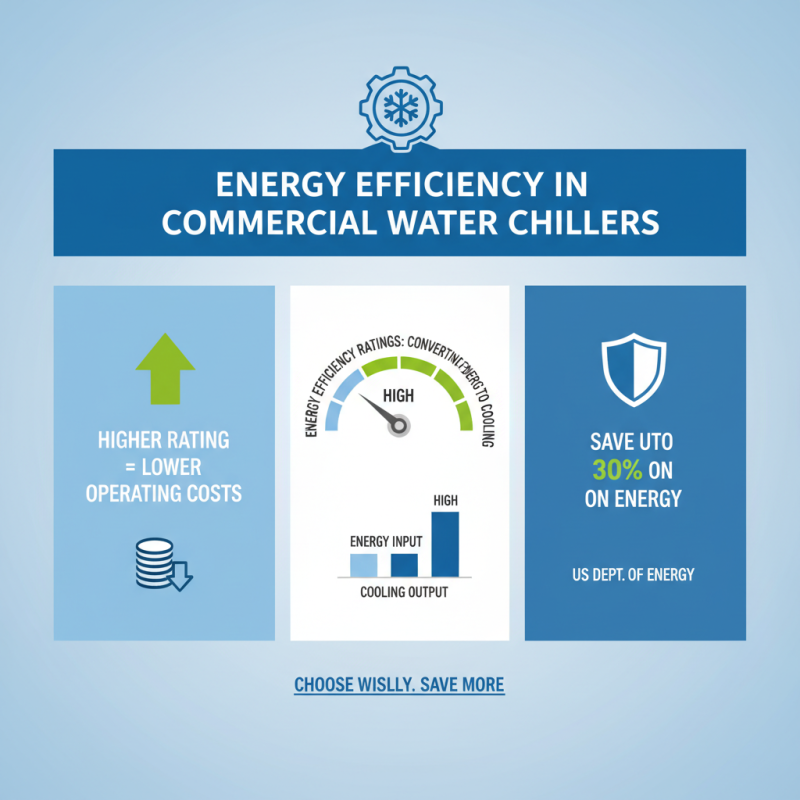
Efficiency ratings matter. Look for units with good energy efficiency. This can save you money in the long run. Consider maintenance accessibility. A chiller placed in a hard-to-reach area can complicate repairs. Planning for this can save you future headaches.
It’s also beneficial to evaluate the installation requirements. Some models demand specific conditions. These can include electrical systems and ventilation. Reflect on these elements carefully. Always check compatibility with existing systems. Small discrepancies can lead to performance issues. Don't disregard installation guides; they are essential. Lastly, consult with professionals when in doubt. Their insights can prevent costly mistakes.
Evaluating Cooling Capacity for Your Specific Needs
When choosing a commercial water chiller, evaluating cooling capacity is crucial. Cooling capacity determines how effectively the unit meets your specific needs. It is typically measured in tons or BTUs. Each application requires a unique capacity depending on the heat load generated by equipment or processes. Understanding your requirements will help in selecting the right model.
Consider your facility size and the equipment involved. Too little capacity leads to poor performance. Conversely, too much can waste energy and increase costs. It's also essential to assess any future needs. Will your cooling demand change? These factors should be reflected in your calculations.
Many businesses overlook the importance of ambient conditions. The water inlet temperature, for example, can significantly affect performance. Ensure the unit operates within its optimal range. Consulting with experts can provide insights that help avoid common pitfalls. Remember, precise calculations are necessary for efficiency. Striking the right balance is often challenging but vital for long-term success.
Maintenance and Reliability: Ensuring Long-Term Performance
When selecting a commercial water chiller, maintenance and reliability are crucial for long-term performance. Industry reports indicate that over 40% of water chillers experience significant downtime due to inadequate maintenance. Regular upkeep not only enhances the lifespan but also lowers operational costs.
Attention to detail is essential. Check the refrigerant levels regularly. This simple action can prevent costly repairs. Furthermore, ensure the water quality is monitored. Contaminants can lead to inefficiencies and potential breakdowns. A study found that improper water treatment can reduce chiller efficiency by up to 15%.
Consider investing in a professional maintenance plan. Studies also suggest that businesses that implement proactive measures see a 30% reduction in unexpected failures. Reliability is not just about the machine; it involves a commitment to ongoing care and monitoring. Regular filter changes and inspections can drastically improve performance. Such practices are not only beneficial but necessary.
Essential Tips for Choosing a Commercial Water Chiller - Maintenance and Reliability: Ensuring Long-Term Performance
| Feature |
Importance |
Recommendation |
| Energy Efficiency |
Reduces operational costs |
Look for units with high SEER or EER ratings |
| Cooling Capacity |
Meets specific cooling requirements |
Calculate based on facility size and heat load |
| Maintenance Needs |
Ensures long-term reliability |
Choose models with easy access for maintenance |
| Noise Levels |
Affects the comfort in nearby areas |
Select low-noise models for sensitive environments |
Reliability
|
Reduces downtime and repair costs |
Research brands with strong track records |
| Environmental Impact |
Compliance with regulations and sustainability goals |
Choose eco-friendly refrigerants and energy-efficient units |