What is a Hydraulic Proportional Valve and How Does it Work?
In the realm of hydraulic systems, the Hydraulic Proportional Valve plays a vital role. It controls fluid flow and pressure with remarkable precision. Dr. Emily Carter, a leading expert in hydraulic engineering, once stated, "The efficiency of a hydraulic system largely depends on the proportional valve's performance." This statement underscores its importance in various applications.
The Hydraulic Proportional Valve adjusts the rate of flow dynamically. This adaptability is crucial in machinery like excavators and presses. By regulating pressure and flow, it ensures that tasks are completed efficiently. However, the complexity of designing these valves can lead to challenges. Engineers must consider factors such as response time and accuracy.
Mistakes in valve selection can hinder performance. An improperly calibrated valve may lead to inefficiencies and mechanical failures. Continuous learning and adaptation are necessary in this industry. The initial designs often require multiple iterations before achieving optimal function. The journey with a Hydraulic Proportional Valve is as important as the destination.
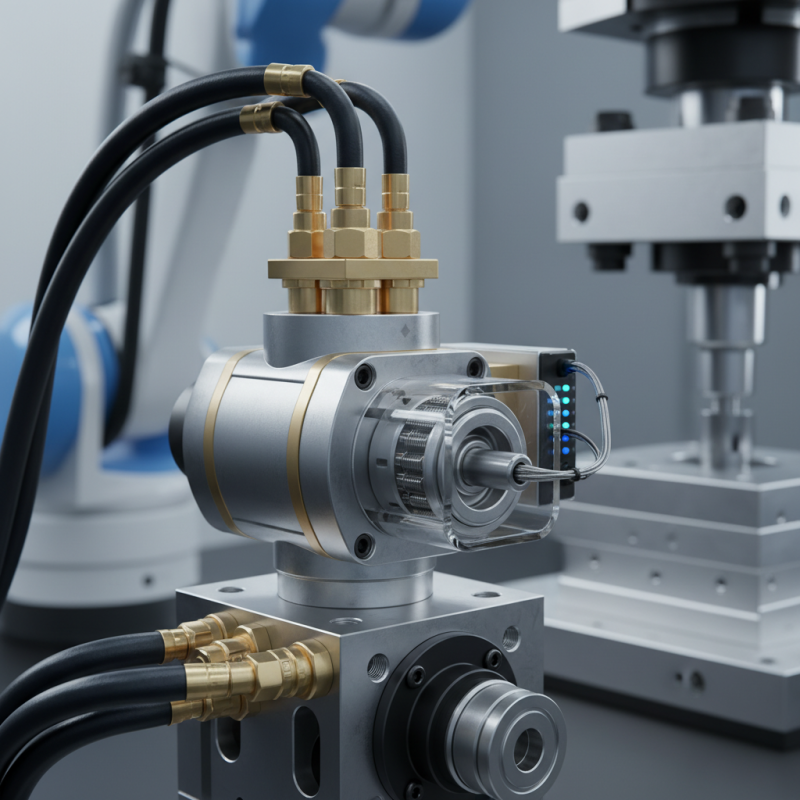
Definition and Functionality of Hydraulic Proportional Valves
Hydraulic proportional valves are essential components in hydraulic systems. They control the flow and pressure of hydraulic fluid. These valves adjust the fluid flow based on input signals, allowing precise movement. This functionality is crucial for applications requiring detailed control, like in machinery or vehicles.
The core of a hydraulic proportional valve is its ability to modulate flow. This means that even slight changes in electrical input can lead to varying fluid output. As a result, operators can achieve smoother operations. However, this precision comes with complexity. Users must carefully calibrate the system to avoid erratic performance.
In practice, operators might encounter issues like sticking or delayed response. Regular maintenance is needed to address wear and tear. Proper installation is also vital. Misalignment can lead to inconsistent pressure and flow. Reflecting on these challenges reveals the importance of ongoing training and critical assessment of hydraulic systems.
Components of a Hydraulic Proportional Valve and Their Roles
A hydraulic proportional valve plays a key role in fluid control systems. Its main components include the solenoid, spool, and housing. The solenoid controls electric signals. It helps adjust the spool's position. The spool, a movable part, directs fluid flow. The housing contains these elements together, ensuring functionality.
Recent industry reports indicate that efficient fluid power systems require precise control. A proportional valve must respond accurately to electrical signals. This responsiveness can improve system performance by up to 30%. However, this technology is not without challenges. Improper tuning can lead to sluggish movements or inconsistent outputs.
Proper installation is vital. An incorrectly aligned spool can cause leaks or reduce responsiveness. Continuous maintenance is needed to prevent wear. Studies show that regular inspections increase the lifespan of hydraulic components. Yet, many users overlook this aspect. The balance between performance and system reliability remains a critical area for improvement.
Working Principle of Hydraulic Proportional Valves in Fluid Control
Hydraulic proportional valves play a crucial role in fluid control systems. They adjust fluid flow and pressure in response to electric signals. These valves ensure precise control, making them essential in various applications. They operate smoothly, but not without challenges.
The working principle involves a spool inside a cylinder. When an electric signal activates the coil, it moves the spool. This movement opens or closes ports, altering fluid flow. This process is nuanced and requires calibration. A miscalibration can lead to inefficiencies. It’s vital to maintain the system regularly.
The design of hydraulic proportional valves is intricate. They must withstand high pressure while maintaining accuracy. Sometimes, they may fail due to wear or contamination. Understanding their operation can help troubleshoot issues. Regular inspection is necessary for optimal performance. Recognizing these imperfections is key to enhancing reliability in hydraulic systems.
What is a Hydraulic Proportional Valve and How Does it Work?
| Parameter | Description |
| Type | Hydraulic Proportional Valve |
| Function | Controls fluid flow and pressure |
| Control Method | Electro-hydraulic proportional control |
| Input Signal | Voltage or current signal |
| Operating Pressure | Up to 350 bar |
| Response Time | Less than 20 ms |
| Applications | Mobile equipment, industrial machinery, aerospace |
| Key Benefit | High precision and efficiency in fluid control |
Applications of Hydraulic Proportional Valves in Various Industries
Hydraulic proportional valves are widely used across various industries. These valves control the flow and pressure of hydraulic fluids, allowing for precise movement of machinery. In construction, for example, they play a crucial role in operating excavators and loaders. According to a recent industry report, the construction sector accounts for approximately 30% of the global hydraulic valve market.
In manufacturing, these valves are essential for automated systems. They help in precise control over equipment like robotic arms. The automotive industry also relies heavily on hydraulic proportional valves for brake systems and other critical functions. With a projected market growth of 5% annually, the demand for these valves is expected to rise significantly.
However, reliance on hydraulic systems can lead to inefficiencies. System leaks and failures can cause delays and increase costs. Regular maintenance is crucial, but many industries overlook this aspect. It's clear that while hydraulic proportional valves provide significant benefits, there are challenges that must be addressed for optimal performance.
Benefits and Limitations of Using Hydraulic Proportional Valves
Hydraulic proportional valves offer various advantages in fluid control systems. They provide precise control over flow and pressure, leading to improved efficiency. This precision allows for smoother operation in hydraulic systems. Additionally, they enable quick response times, making them ideal for applications requiring rapid adjustments. However, the initial cost can be higher compared to standard valves. This can deter some users.
On the other hand, limitations exist in terms of complexity. These valves require sophisticated electronics for optimal performance. This means more parts that can fail and need maintenance. Furthermore, not every application benefits from their advanced features. In simple systems, standard valves may suffice.
Balancing the benefits with potential drawbacks is important for users. Ultimately, understanding specific needs is crucial when considering hydraulic proportional valves.