What is a Panoramic Lift and How Does it Work?
A Panoramic Lift offers a unique experience in vertical transportation. These lifts provide stunning views as they ascend, allowing passengers to enjoy their surroundings. According to industry expert Dr. John R. Foster, "A Panoramic Lift transforms a simple journey into a visual experience." His insights highlight the significance of this innovation.
When considering a Panoramic Lift, design and location matter greatly. They are often positioned in places with beautiful landscapes or architectural features. Their glass walls not only showcase views, but also create a modern aesthetic. However, maintenance and safety are critical factors that must not be neglected. The beauty of these lifts comes with the need for careful engineering and regular checks.
Incorporating a Panoramic Lift into a building can elevate its appeal. It attracts attention and enhances user experience. But, the installation costs and ongoing maintenance are challenges that need addressing. Planning for a Panoramic Lift should involve a thorough analysis of benefits and drawbacks.
What is a Panoramic Lift?
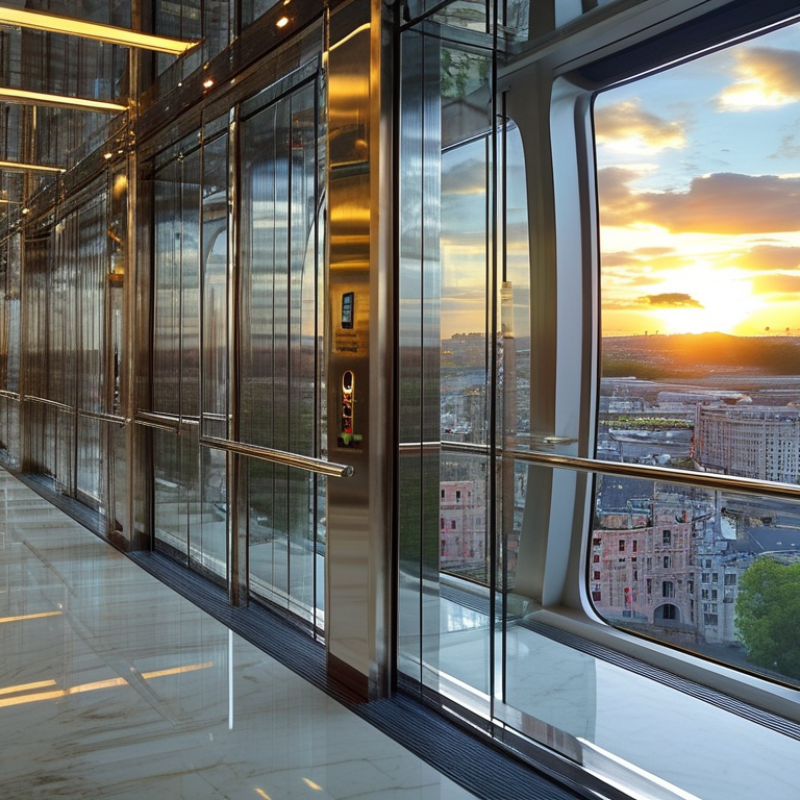
A panoramic lift is an innovative type of elevator designed to offer breathtaking views while transporting passengers. Unlike traditional lifts, panoramic lifts feature glass walls, allowing users to immerse themselves in their surroundings as they ascend or descend. These elevators are commonly found in hotels, malls, and buildings with stunning landscapes.
When using a panoramic lift, passengers often find themselves captivated by the changing scenery. The design provides a sense of openness, enhancing the travel experience. However, it's important to note that the view can sometimes become a distraction. Maintaining focus on safety is crucial. Always stand clear of the entrance when the doors open and hold onto the handrails.
Tips: When traveling in a panoramic lift, try to position yourself where you can see the view clearly. This enhances the overall experience. Be aware of your surroundings, and avoid placing items near the door to ensure smooth operation. If you're prone to motion sickness, consider limiting your time inside while the lift is in motion. This can help avoid any discomfort.
Key Features of Panoramic Lifts
Panoramic lifts capture attention with their striking designs and innovative functionality. Unlike traditional elevators, these lifts offer a scenic view through glass panels. This feature not only enhances the aesthetic appeal but also transforms the ride into a visual experience. People enjoy watching the surroundings change as they ascend or descend. This captivating aspect sets panoramic lifts apart from standard models.
Safety and technology are also crucial. Modern panoramic lifts come equipped with advanced safety features. Many include emergency brakes and smooth ride controls. Users appreciate the seamless movement and added confidence while riding. Moreover, energy efficiency is a significant consideration. These lifts often use regenerative drives that minimize energy consumption, benefiting both users and the environment.
Yet, there can be challenges. Maintenance of glass panels is essential for long-term appeal. Fingerprints or dirt can detract from the experience. Regular cleaning is necessary to preserve the panoramic view. Additionally, installation requires careful planning to integrate with the building’s architecture. As more structures embrace this design, understanding these nuances is vital for optimizing their use.
The Mechanism Behind Panoramic Lifts
Panoramic lifts combine function and aesthetics. They often feature transparent glass walls, allowing passengers to enjoy scenic views as they ascend or descend. These elevators enhance architectural designs, creating a stunning visual experience. According to industry reports, the market for panoramic elevators is expected to grow by 6% annually, driven by urbanization and advancements in technology.
The mechanism behind panoramic lifts involves several distinct components. The traction drive system is crucial. It consists of a motor and pulley system that lifts the elevator car. Safety features play an essential role. For instance, braking systems and emergency protocols ensure passenger safety under various conditions. Statistics indicate that accidents involving lifts decrease significantly with advanced safety designs.
However, challenges emerge in installation and maintenance. The glass used must withstand environmental factors, including temperature changes and wind pressure. Regular inspections are vital to uphold safety standards. Industry guidelines suggest that maintenance should follow strict protocols to prevent failures. Despite these challenges, the popularity of panoramic lifts continues to rise, blending functionality with captivating design.
Benefits of Using Panoramic Lifts in Buildings
Panoramic lifts have gained popularity in modern architecture for a variety of reasons. These lifts provide not only functionality but also enhance the aesthetic appeal of buildings. Going beyond basic transportation, they offer stunning views, creating a unique experience for users. The glass design allows natural light to flood the interior, which can help reduce energy consumption during the day.
Another major advantage is their space-saving capability. In urban areas where space is limited, panoramic lifts fit seamlessly into buildings without requiring extensive modifications. They can serve as a focal point, integrating beautifully with the overall design. However, there are challenges to consider. The installation process can be complex, requiring skilled professionals to ensure safety and reliability.
Moreover, maintenance can be demanding; glass surfaces need regular cleaning for clarity and safety. While panoramic lifts can elevate a building's aesthetic, it's essential to weigh these aspects against potential drawbacks. Despite these considerations, the benefits often outweigh the challenges, making panoramic lifts an enticing choice for many architects and builders.
Benefits of Using Panoramic Lifts in Buildings
Applications and Popular Locations for Panoramic Lifts
Panoramic lifts have gained popularity for their unique designs and practical applications. These lifts are often used in spaces where aesthetics and functionality are equally important. For instance, shopping malls and hotels frequently incorporate them to enhance the customer experience. An industry report indicated that the global panoramic lift market is projected to grow at a CAGR of 6.5% from 2022 to 2027. This growth reflects a rising trend in urban environments, where innovative transport solutions are essential.
In urban developments, panoramic lifts provide breathtaking views while optimizing space. They are commonly found in high-rise buildings, where they can serve multiple floors. The architectural appeal of these lifts draws attention, contributing to the overall ambiance. They can also aid the elderly and disabled, making buildings more inclusive. Data suggests that around 30% of new urban constructions now include these elevating systems.
Despite their advantages, challenges exist. Installation can be complex, requiring precise engineering. Moreover, maintenance costs may be higher compared to traditional lifts. Issues such as weather conditions can also affect their functionality. Communities must weigh these factors carefully, ensuring benefits outweigh potential drawbacks. Adaptability remains crucial as cities evolve and demands change.
What is a Panoramic Lift and How Does it Work? - Applications and Popular Locations for Panoramic Lifts
| Feature | Description | Applications | Popular Locations |
| Design | Glass-enclosed lift providing 360-degree views | Commercial buildings, shopping malls | Museums, tourist attractions |
| Mechanism | Operates using a traction system or hydraulic system | High-rise buildings, observation decks | Skywalks, observation towers |
| Safety Features | Includes emergency brakes, alarms, and sensors | Hospital buildings, hotels | Famous city landmarks |
| Advantages | Enhances aesthetics, provides unique experiences | Residential complexes, iconic parks | Tourist areas, waterfronts |
| Limitations | Higher installation cost, requires maintenance | Indoor and outdoor facilities | Urban centers, scenic routes |