Top Tips for Choosing the Best Wafer Roll Machine?
Choosing the right Wafer Roll Machine can significantly impact your production quality. The market offers various options, making the selection process daunting. Understanding your needs helps narrow down choices.
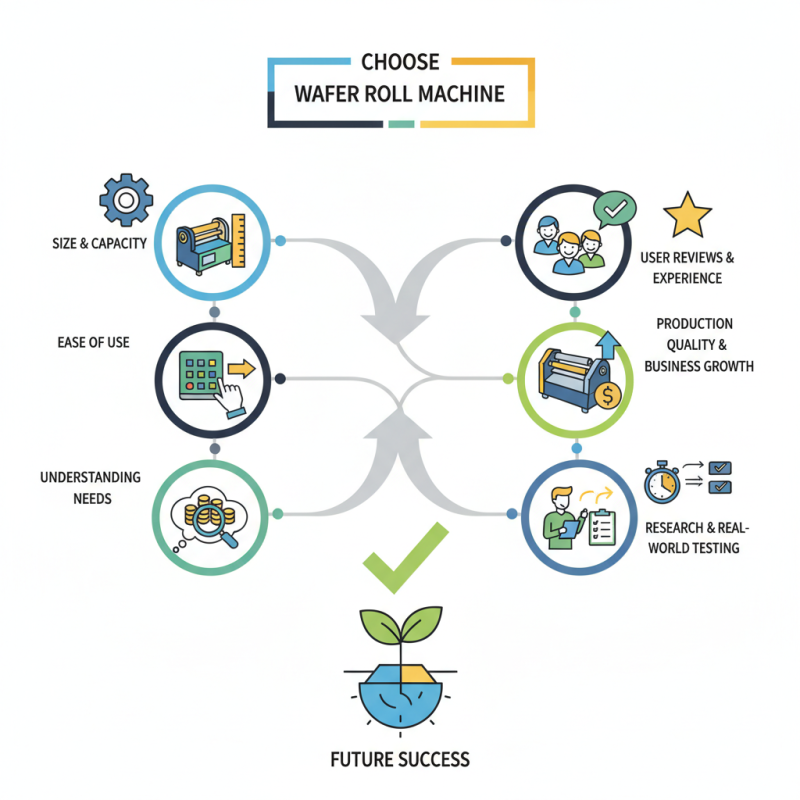
When selecting a Wafer Roll Machine, consider factors like size, capacity, and ease of use. You might find that some machines seem perfect on paper but underperform in practice. Look for reviews and actual user experiences; they often reveal hidden pitfalls.
A well-chosen machine can elevate your business. However, be aware that not every high-end model delivers what it promises. Research and real-world testing are crucial. Invest time in finding a model that meets your specific needs. A thoughtful decision now lays the groundwork for future success in your wafer roll production.
Understanding Wafer Roll Machines: Essential Features to Consider
When choosing a wafer roll machine, several essential features should be kept in mind. The design of the machine plays a critical role in production quality. Look for machines that ensure even cooking and crispness. A machine with adjustable temperature controls can help achieve the perfect texture. Consider the size of the machine as well. It should fit your production space without compromising efficiency.
Another important factor is the ease of operation. User-friendly controls can streamline the process. It can be frustrating to deal with complex machinery, especially during peak production times. Regular maintenance is also vital for longevity. Machines that are difficult to clean or maintain could lead to downtime and increased costs.
Lastly, assess the machine’s capacity. It should align with your production goals. Overestimating needs may lead to wasted resources. Conversely, underestimating might hinder growth. Each aspect demands careful evaluation. Balancing efficiency and practicality can be challenging, but it’s essential for success.
Key Factors Influencing Wafer Roll Machine Performance
When selecting a wafer roll machine, several key factors influence its performance. The machine's power consumption is one crucial aspect. According to industry reports, energy-efficient machines can save up to 30% on operational costs. This is significant in today's competitive market.
The production speed of the machine is another vital element. Many machines on the market have speeds ranging from 150 to 300 rolls per hour. Higher output rates lead to increased profits but can compromise product quality. Balancing speed and quality is essential for success.
Materials used in manufacturing the machine affect durability and maintenance costs. Machines made from high-grade stainless steel tend to last longer and require less upkeep. However, these machines typically come with higher upfront costs. Making the right investment decision can lead to long-term benefits. Always consider these details to maximize your production efficiency.
Top Tips for Choosing the Best Wafer Roll Machine
| Feature | Importance | Recommendation |
| Machine Capacity | High | Choose a machine that meets your production volume needs. |
| Heating Method | Medium | Look for machines with even and quick heating. |
| Material Quality | High | Select machines made of durable and food-safe materials. |
| Ease of Use | Medium | Look for intuitive controls and designs to simplify operation. |
| Maintenance Requirements | High | Choose machines that are easy to clean and maintain. |
| Energy Efficiency | Medium | Opt for machines that consume less energy for cost savings. |
| Support and Service | High | Ensure good after-sales service and customer support is available. |
Assessing Production Capacity and Efficiency of Machines
When selecting a wafer roll machine, it's essential to assess its production capacity and efficiency. The machine’s output rate should match your production goals. Consider the number of rolls produced per minute. A machine with higher output may seem advantageous. Yet, efficiency may suffer at higher speeds. Not all machines maintain consistent quality, even when they produce more.
Another factor to evaluate is the energy consumption. More efficient machines use less power. This not only reduces costs but also supports sustainable practices. Look for models that balance speed with energy usage. Sometimes, slower machines yield better quality rolls. It’s crucial to analyze data from previous productions. Track any instances of waste or defects. These details can provide insights into the machine's true efficiency.
Consider the maintenance aspect as well. Frequent breakdowns can halt production, affecting output. Machines with higher maintenance needs may seem cheaper initially. However, ongoing costs can add up quickly. Reflecting on these factors is vital. The best machine is not always the fastest or the cheapest. It’s about finding a reliable balance that meets your specific production needs.
Evaluating Cost vs. Quality in Wafer Roll Machine Selection
When selecting a wafer roll machine, evaluating cost against quality is essential. A cheaper option might seem appealing, but it may compromise on materials or performance. Machines that use inferior components could break down faster. This could result in significant repair costs and downtime. Therefore, consider not only the upfront cost but also the long-term value.
Tips for choosing wisely include inspecting the machine's build quality. Look for sturdy materials that ensure durability. Pay attention to user reviews, as they provide insight into the machine's reliability. Testing the machine can reveal whether it meets your production needs. Additionally, consider the energy efficiency of the model. A machine that consumes less energy can save operating costs over time.
Quality control is paramount in production. Often, machines with a higher initial price offer better consistency in output. This translates to fewer defective products, which can enhance your reputation. Reflect on how important this is for your business. Cheaper machines can lead to inconsistent results that hurt your brand image in the long run. A balance between cost and quality is crucial for your success.
Cost vs. Quality in Wafer Roll Machine Selection
Maintenance and Support: Ensuring Longevity of Your Equipment
When investing in a wafer roll machine, maintenance and support are crucial for maximizing longevity. According to industry reports, nearly 40% of machinery failures are linked to poor maintenance practices. Regular servicing can prevent these failures. A solid maintenance plan may include weekly checks, cleaning, and lubricating moving parts.
Tip: Always keep a detailed log of maintenance activities. This record can help identify patterns and issues. Routine inspections ensure that small problems are resolved before they escalate, saving time and money.
Support is equally vital. The right technical support can guide operators through troubleshooting. Studies suggest that well-supported machinery operates up to
20% more efficiently. Consider the availability of
spare parts and
customer service when making a choice.
Tip: Choose machinery with a proven track record of strong customer support. Evaluate user reviews and testimonials. This understanding can aid in avoiding unexpected downtime due to slow repairs or part replacements.