
Choosing the right Epoxy Grout can change how a tiled space looks, performs, and ages. A glossy shower wall may appear flawless today. Months later, weak color stability, difficult cleanup, or poor joint adhesion can expose the wrong choice. This guide examines ten leading Epoxy Grout brands through practical criteria, not advertising claims.
Ryan Fasan, a respected tile industry educator and technical consultant, once noted, “Epoxy grout is not a maintenance-free grout.” That warning matters. Epoxy Grout usually offers strong stain resistance and dependable performance in demanding areas. However, it still requires correct mixing, careful application, and timely cleaning. Small installation mistakes can leave a hazy film across polished tile. Nobody wants that.
The comparison considers product consistency, chemical resistance, color selection, working time, cleanup demands, technical support, and long-term value. It also considers real installation conditions, including narrow joints, textured surfaces, commercial kitchens, bathrooms, and wet rooms. Manufacturer documentation supports the research, while installer experience adds useful perspective. Still, no ranking is perfect. A product that performs beautifully for an experienced contractor may frustrate a first-time user. Climate, tile texture, joint width, and project scale can change the result.
Some brands excel in ease of use. Others prioritize industrial durability. A few make ambitious promises that deserve closer examination. This list aims to separate proven performance from attractive packaging, while acknowledging an uncomfortable truth: even the best Epoxy Grout cannot rescue poor preparation. Expect useful comparisons, practical cautions, and a few conclusions that may require further testing on your own project.
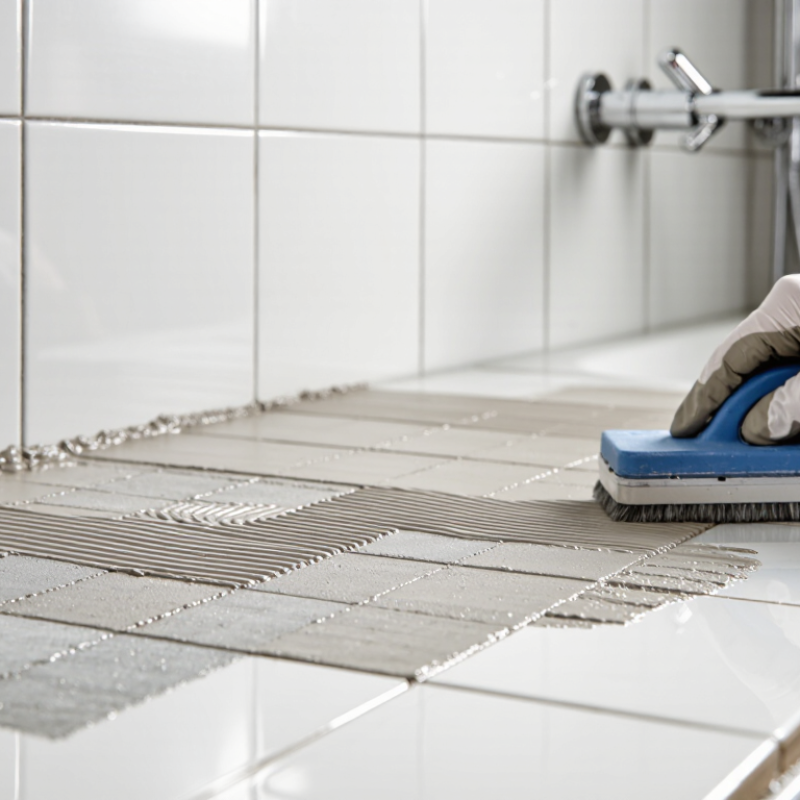
Epoxy grout combines resin, hardener, and mineral filler. Unlike cement grout, it cures into a dense, low-porosity joint. That structure helps resist stains, moisture, and many household chemicals. ANSI A118.3 classifies epoxy installation materials for demanding tile applications. Still, certification does not guarantee easy installation.
I have seen grout fail beside a shower drain, not in the tile field. Poor mixing, open working time, and unsealed movement joints often cause trouble. The Tile Council of North America stresses correct joint design and movement accommodation in its TCNA Handbook. Brand selection matters because formulas differ in viscosity, cure speed, color stability, and cleaning tolerance. A premium-looking label may hide difficult handling.
Market evidence also supports careful evaluation. Grand View Research reported that construction remained a major application area for epoxy resin in its 2024 market analysis. Mordor Intelligence projects continued growth in construction chemicals through the decade. These figures do not prove that one grout performs best. They show a larger material market with many inconsistent product claims. Check ANSI compliance, technical data sheets, batch instructions, and independent testing. Reviewers should also question glossy durability promises. A grout that lasts twenty years is useless if installers cannot place it evenly. Real jobsite results matter more than packaging.
Choosing among the ten best epoxy grout options requires more than reading a product label. Examine the resin-to-hardener ratio, pigment consistency, and stated curing time. A reliable formula should resist stains, moisture, and household chemicals without becoming brittle. Ask for technical data, not only attractive claims. Water matters. High-quality epoxy grout should spread smoothly and maintain color after curing. A small sample board can reveal problems before they reach the wall.
Application performance is equally important. Check whether the grout remains workable long enough for your room temperature and tile size. Fast curing may sound efficient, but it can punish slow installation. The mixture should fill joints fully, with limited sagging or pinholes. During cleanup, cloudy residue may appear if too much water is used. That mistake is common, and sometimes expensive. Wear suitable gloves, measure accurately, and follow the manufacturer’s mixing sequence. Even experienced installers can miss residue near textured tile edges.
Tips: Test one hidden area first. Use a clean, damp sponge. Change rinse water often. Inspect joints under strong side lighting. If the grout feels unusually thick, stop and check the ratio instead of adding water. A slightly uneven finish may reflect poor technique, not poor material. Still, the product deserves scrutiny when working time, color, or hardness differs from its published specifications.
Choosing among the ten best epoxy grout brands requires more than comparing color cards. The useful comparison is feature by feature: chemical resistance, water absorption, stain retention, working time, cleanup, coverage, and certification. ANSI A118.3 and ISO 13007-3 provide practical reference points for epoxy grout performance. A product meeting RG classification is not automatically the easiest to install. That distinction matters. A 2024 Grand View Research report forecast the global construction chemicals market to grow at roughly 6% annually through 2030. Renovation demand is helping, but market growth does not prove equal product quality. Independent test sheets matter more.
Among leading formulations, the strongest options usually publish absorption and chemical-resistance results, not vague claims. Look for low water uptake, stable color, and resistance to oils and cleaners. For showers, creamy spreadability and forgiving working time can prevent hazy joints. Kitchens need stain resistance and easy residue removal. Large-format tile demands consistent coverage and minimal sag. Packaging also deserves scrutiny. Two-component cartridges reduce mixing errors, while pail systems may offer better value on large floors. A 2023 MarketsandMarkets report projected steady growth in construction adhesives, reflecting wider demand for durable installation materials. Still, grout is not magic. My own small-area trials have produced uneven joints when temperature, sponge pressure, or wash timing changed. Manufacturer data can also be selective. Compare technical data sheets, safety documents, third-party test methods, and warranty limits before ranking the ten contenders.
| Comparison Profile | Formulation | Typical Joint Width | Water Absorption | Chemical Resistance | Working Time | Initial Cure | Cleanup Requirement | Color Consistency | Recommended Applications | Overall Feature Rating |
|---|---|---|---|---|---|---|---|---|---|---|
| Profile 1: Premium All-Rounder | Two-component, 100% solids epoxy grout | 1.5–12 mm | Very low; commonly below 0.5% | Excellent | Approximately 45–60 minutes | Approximately 24 hours for light use | Requires prompt washing with clean water and a suitable pad | Very good when mixed accurately | Residential and commercial floors, walls, showers, and kitchens | ★★★★★ |
| Profile 2: Fast-Setting Formula | Rapid-curing two-part epoxy | 1.5–10 mm | Very low; non-porous after curing | Excellent | Approximately 25–40 minutes | Approximately 12–24 hours | Very time-sensitive; residue must be removed quickly | Good, provided batches are mixed consistently | Small commercial areas and projects with tight schedules | ★★★★☆ |
| Profile 3: Heavy-Duty Chemical Resistant | High-performance, chemical-resistant epoxy system | 2–12 mm | Extremely low | Exceptional | Approximately 45–60 minutes | Approximately 24–72 hours, depending on temperature | Needs careful washing and inspection for film or haze | Excellent in controlled installations | Food-processing areas, laboratories, healthcare, and industrial facilities | ★★★★★ |
| Profile 4: High-Traffic Floor Formula | Two-part epoxy with high abrasion resistance | 2–10 mm | Very low | Very good | Approximately 40–55 minutes | Approximately 24–48 hours | Moderate; mechanical cleaning may be needed after curing | Very good for uniform, large-area installations | Retail floors, corridors, restaurants, and public buildings | ★★★★☆ |
| Profile 5: Decorative Color-Stable Formula | Fine-textured epoxy grout designed for uniform pigmentation | 1.5–10 mm | Very low | Very good | Approximately 45–60 minutes | Approximately 24 hours for light traffic | Requires thorough washing to preserve the final appearance | Excellent | Feature walls, mosaics, bathrooms, and design-focused interiors | ★★★★☆ |
| Profile 6: Large-Format Tile Formula | Low-sag epoxy grout with smooth workability | 2–20 mm | Very low | Very good | Approximately 50–70 minutes | Approximately 24–48 hours | Moderate; smooth tooling helps reduce surface residue | Good to very good | Large-format porcelain, stone-look tile, and wide-joint installations | ★★★★☆ |
| Profile 7: Wet-Area Specialist | Waterproof, two-component epoxy grout | 1.5–12 mm | Very low; suitable for continuously damp areas | Excellent | Approximately 45–60 minutes | Approximately 24–72 hours before regular water exposure | Prompt cleaning is essential to prevent epoxy haze | Very good with consistent installation conditions | Showers, pools, spas, bathrooms, and other wet environments | ★★★★★ |
| Profile 8: Low-Temperature Installation Formula | Epoxy grout formulated for a broader installation temperature range | 2–12 mm | Very low after full cure | Very good | Approximately 50–75 minutes at moderate temperatures | Approximately 48–72 hours in cooler conditions | Longer working time, but residue still requires careful removal | Good when temperature and mixing are controlled | Seasonal work, utility rooms, garages, and cooler indoor areas | ★★★★☆ |
| Profile 9: Easy-Spread Professional Formula | Low-viscosity two-part epoxy with improved tooling | 1.5–10 mm | Very low | Very good | Approximately 45–60 minutes | Approximately 24–48 hours | Generally easier to wash, but excess material must not be left to cure | Good to very good | Wall tile, detailed layouts, vertical surfaces, and professional remodeling | ★★★★☆ |
| Profile 10: General-Purpose Value Formula | Standard two-component epoxy grout for routine applications | 1.5–12 mm | Low to very low | Good to very good | Approximately 45–60 minutes | Approximately 24–48 hours | Moderate; final results depend strongly on installation technique | Good with accurate measurement and mixing | Residential kitchens, bathrooms, backsplashes, and general repairs | ★★★★☆ |
Note: The profiles above represent common epoxy grout performance categories rather than individual companies or brands. Actual working time, cure time, joint-width range, chemical resistance, and cleaning procedures vary by product formulation, temperature, humidity, substrate, and manufacturer instructions.
Choosing among the ten best epoxy grout options depends on the tile, location, and installation conditions.
The “best” product is rarely universal. ANSI A118.3 identifies epoxy grout as suitable for demanding areas requiring chemical resistance and low absorption. That matters behind a restaurant counter, in a shower niche, or around a busy kitchen island.
For porcelain floors, select a formula with strong abrasion resistance and a workable open time. Large-format tiles need consistent joints, because uneven gaps expose color differences. For glass mosaics, a finer aggregate can reduce scratching and improve coverage.
The Tile Council of North America Handbook emphasizes substrate preparation, movement joints, and correct joint dimensions. Ignore those details, and premium grout may still fail.
For commercial kitchens, compare chemical-resistance data, cleaning instructions, and temperature limits. For bathrooms, prioritize low water absorption and mold-resistant performance.
A 2024 global tile industry report from Ceramic World Review shows continued demand for large-format and porcelain surfaces, which increases installation precision requirements. However, product labels do not always explain real jobsite behavior clearly.
Test a small area first. I learned that color can appear darker in narrow joints and under warm lighting. Also check pot life, cleanup time, and installer experience before choosing a grout that looks impressive on paper.
Choosing among the 10 best epoxy grout brands requires more than comparing color charts. Check whether the product meets ANSI A118.3 requirements for chemical-resistant, performance-grade grout. Read the technical data sheet carefully. It should state working time, cure time, joint width, temperature limits, and cleaning instructions. The Tile Council of North America’s 2024 Handbook also emphasizes substrate preparation and movement accommodation. A beautiful grout job can still fail over movement.
On site, I mix only enough material for one manageable section. Epoxy grout becomes less forgiving as it warms. Use a clean, slow mixing method, then spread it diagonally across the joints. Remove excess immediately. Do not wait. A damp sponge, frequent rinsing, and a final haze check are essential. My early mistake was treating epoxy like cement grout; the cured residue was stubborn and expensive to correct. I still inspect the surface under angled light.
Consider chemical exposure, cleaning frequency, slip resistance, and expected traffic before choosing. Laboratory claims do not always match a rushed installation. The EPA’s 2020 Construction and Demolition Debris report estimated 600 million tons of debris in the United States during 2018, with about 145 million tons landfilled. Accurate estimating helps reduce discarded material. Buy enough for the job, but avoid excessive overage. Record the batch number, room temperature, and installation date for future repairs. Small details matter.
Typical time ranges help compare installation requirements when choosing epoxy grout. Always follow the product’s technical data sheet.
Epoxy grout generally requires careful mixing, fast cleanup, and adequate curing time. Pot life is commonly limited to about 30–60 minutes, while light foot traffic may be possible after 24–48 hours. Full chemical and mechanical curing often takes approximately 5–7 days, depending on temperature, humidity, joint size, and the product formulation.
