Top 10 Spot Welder Buying Tips for Global Buyers?
When considering a spot welder purchase, global buyers face various options. Spot welders are essential tools in metal fabrication and automotive industries. Understanding their features can greatly impact your decision.
The right spot welder can increase efficiency and enhance productivity. Factors like power, size, and ease of use should not be overlooked. Reliable brands often provide better warranty service, which is crucial for long-term use. However, choosing the most suitable model can be overwhelming. Many buyers often overlook specific details that can significantly affect performance.
Investing in a quality spot welder means considering your workload and skill level. Each welder has unique advantages and potential drawbacks. Reflecting on your needs helps you avoid common buying mistakes. Take your time to research current market trends. Make informed choices that align with your specific requirements.
Understanding Spot Welding and Its Applications
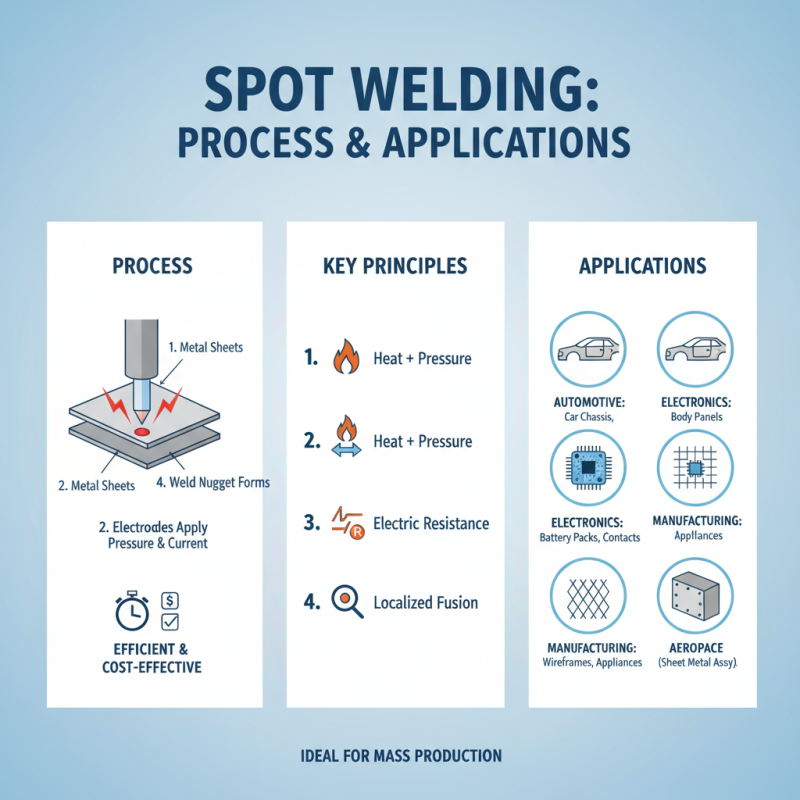
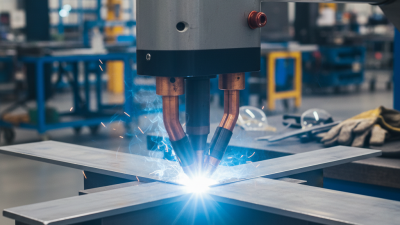
Spot welding is a widely used technique in various industries, including automotive and electronics. This process involves joining two or more metal sheets by applying heat and pressure at specific points. The heat generated by the electric current causes the metal to melt and fuse together. Spot welding is efficient and cost-effective, making it ideal for mass production.
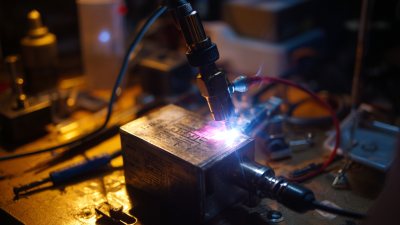
Understanding spot welding applications helps identify its advantages. In the automotive sector, it is essential for manufacturing car bodies and components. It offers rapid joining processes that can enhance production speed. In electronics, spot welding secures parts like batteries and circuit boards. However, the technique also has limitations. The quality of the weld can vary based on the materials used, the thickness of the sheets, and the machine settings. Proper training and experience are crucial for achieving consistent results.
Many factors influence spot welding success. Proper alignment of the metal sheets is vital to avoid misalignment and weak joints. The quality of the power supply can also affect the weld. Moreover, regular maintenance of the equipment ensures optimal performance. Buyers should consider these aspects when choosing spot welding machinery. Neglecting these details may lead to production delays and increased costs.
Key Features to Look for in Spot Welders
When choosing a spot welder, certain key features stand out. First, consider the welder's power settings. A machine with adjustable power ensures versatility across different materials. Look for models that offer precise control over heat and pressure. This can significantly affect weld quality. Without these features, users may face inconsistent results.
Another important aspect is the build quality. A sturdy and well-designed body ensures durability. This also helps in maintaining stability during operation. A lightweight design can enhance ease of use but may compromise on stability. It's essential to find a balance here—don't overlook the material used in construction.
Tip: Check user reviews before purchasing. Real experiences can offer insights beyond specifications. Many buyers report challenges with certain models that aren’t apparent at first glance. Additionally, the availability of replacement parts can greatly impact maintenance and longevity. Ensure that your chosen welder has readily available support and service.
Evaluating Brand Reputation and Customer Reviews
When considering spot welders, evaluating brand reputation is crucial. A strong brand typically indicates reliability and quality. Look for brands with a long history in the industry. Longevity often suggests that a company has consistently met customer needs. Customers tend to trust brands that have proven themselves over time.
Customer reviews can offer valuable insights. They reveal user experiences and satisfaction levels. Positive reviews often highlight ease of use, efficiency, and customer support. However, be cautious of glowing reviews. Some may be biased or written by affiliates. Analyze both positive and negative feedback. This balanced approach can prevent potential disappointments.
It's essential to reflect on feedback trends. If many users report similar issues, those concerns may merit further investigation. Don't ignore patterns in complaints. They can indicate recurring problems that impact performance or durability. A thoughtful evaluation of brand reputation and reviews will lead to a more informed decision. Collecting this information takes time, but it is worth it for a satisfactory purchase.
Top 10 Spot Welder Buying Considerations
Maintenance Tips for Longevity of Spot Welders
Maintenance is crucial for maximizing the lifespan of spot welders. Regular upkeep ensures these machines perform well and produce high-quality welds. In the industry, it's noted that proper maintenance can extend equipment life by up to 30%, as highlighted in various technical reports.
Tip 1: Clean the electrodes frequently. Contamination can lead to poor weld quality and damage to the welder. Use appropriate cleaning agents and avoid abrasive materials.
Tip 2: Inspect cables and connections regularly. Loose connections can cause overheating and technical failures. Many technicians recommend performing these checks at least once a month.
Moreover, the cooling system should be monitored closely. A hot spot welder can significantly impact productivity. According to industry standards, maintaining proper cooling can enhance performance by 20%. Additionally, keeping a log of maintenance activities can help identify recurring issues.
Tip 3: Schedule professional servicing annually. Experts can spot potential problems that may not be visible to operators. This proactive approach can prevent costly downtime. Regular attention to these details not only ensures operational efficiency but also contributes to safer working conditions.