Top 10 Benefits of Using Water Chillers in Industrial Applications?

In industrial settings, the efficiency of operations is crucial. A water chiller plays a key role in achieving optimal performance. These systems cool machinery and processes, ensuring they run smoothly.

Water chillers offer significant benefits. They maintain precise temperatures, preventing overheating and equipment failures. A stable cooling solution can enhance product quality and reduce waste. Additionally, energy efficiency is a major advantage. Lower energy consumption leads to cost savings over time.

Implementing water chillers can pose challenges. Not all facilities may be ready for advanced systems. Maintenance is essential for long-term performance. It's vital to assess your needs carefully. The investment in a water chiller is worthwhile when managed properly.
Top 10 Benefits of Using Water Chillers in Industrial Applications?

Overview of Water Chillers and Their Industrial Applications

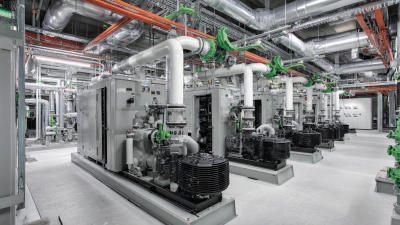
Water chillers play a crucial role in many industrial settings. They provide reliable cooling solutions for various processes. These machines circulate chilled water throughout equipment, maintaining optimum temperatures. This is vital for production efficiency and quality.

Industries like manufacturing and food processing rely heavily on water chillers. For instance, in food processing, they ensure safe temperatures for perishables. In manufacturing, they cool machinery to prevent overheating. However, not all setups make the best use of chillers. Some systems might run inefficiently, leading to increased energy costs.

Proper maintenance is key in optimizing performance. Regular checks can prevent malfunctions. On the other hand, some operations may overlook the need for routine service. This can lead to unexpected downtime. Identifying the right chiller type can also be challenging. Each application may have specific cooling needs. Not every solution fits every scenario.
Top 10 Benefits of Using Water Chillers in Industrial Applications

Increased Energy Efficiency with Water Chillers

Water chillers play a crucial role in improving energy efficiency in industrial applications. These systems use water to absorb heat, creating a cooler environment. By maintaining optimal temperatures, they reduce energy consumption significantly. A well-designed water chiller can lower operational costs while enhancing productivity in various industries.

There are some challenges to consider when implementing water chillers. They require proper sizing and installation to maximize efficiency. Poorly designed systems may lead to leaks or frequent breakdowns, which can waste energy and resources. Regular maintenance is essential to avoid issues. Operators must find the right balance between cooling needs and energy use. It's important to monitor performance regularly for any signs of inefficiency.

Real-life examples highlight the benefits and pitfalls of water chillers. Some facilities have reported a 30% reduction in energy costs. However, others struggle with outdated equipment that fails to deliver the same results. Such discrepancies emphasize the importance of continual assessment and upgrades. To truly harness the benefits, industries must prioritize efficient systems and adapt to emerging technologies.

Enhanced Process Control and Product Quality

Top 10 Benefits of Using Water Chillers in Industrial Applications?

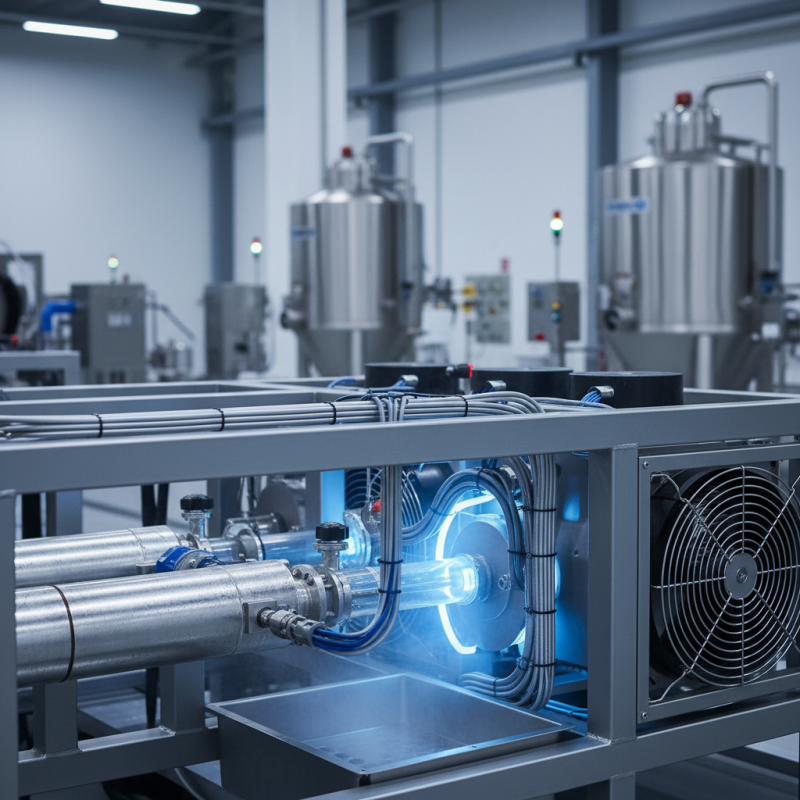
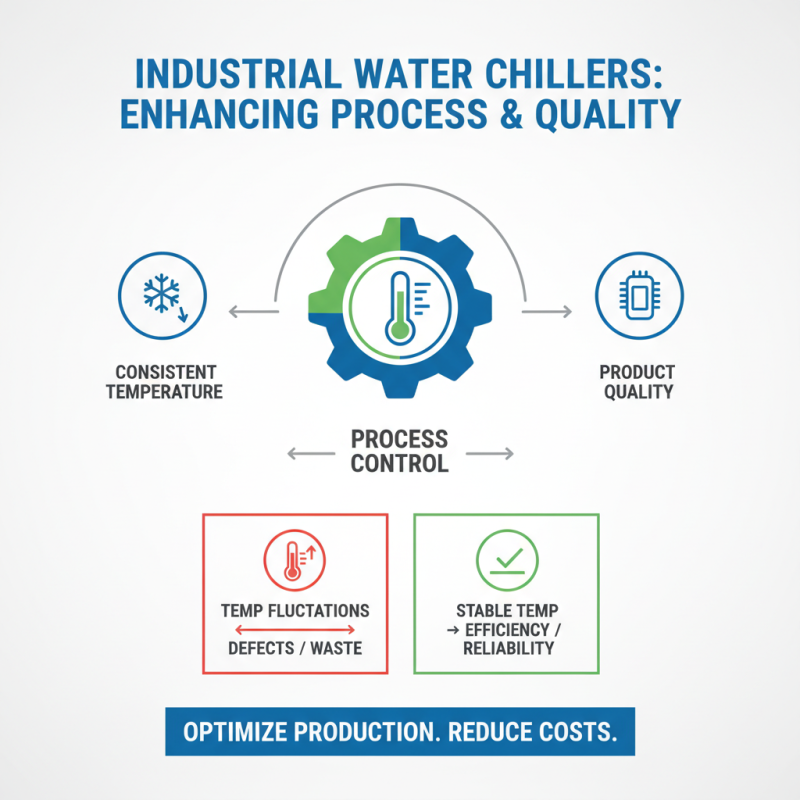
Water chillers play a crucial role in enhancing process control and product quality in industrial applications. By maintaining a consistent temperature, these chillers ensure that processes run smoothly. Temperature fluctuations can lead to unwanted variations in product output. If systems overheat, they may produce defects, leading to wasted resources.

Moreover, water chillers improve overall efficiency. They help extend the lifespan of equipment by reducing strain during operation. This results in less downtime and more consistent production schedules. However, improperly sized or maintained chillers can lead to inefficiencies. This not only affects product quality but also increases operational costs.

Chillers also foster better quality by facilitating precise temperature control. Fine-tuning the cooling process helps achieve the desired product specifications. It can be challenging, though, to find the right balance. Over-cooling can negatively impact the end product. Continuous monitoring and adjustment are essential for optimal performance.

Reduction of Operational Costs Through Water Chillers

Top 10 Benefits of Using Water Chillers in Industrial Applications?

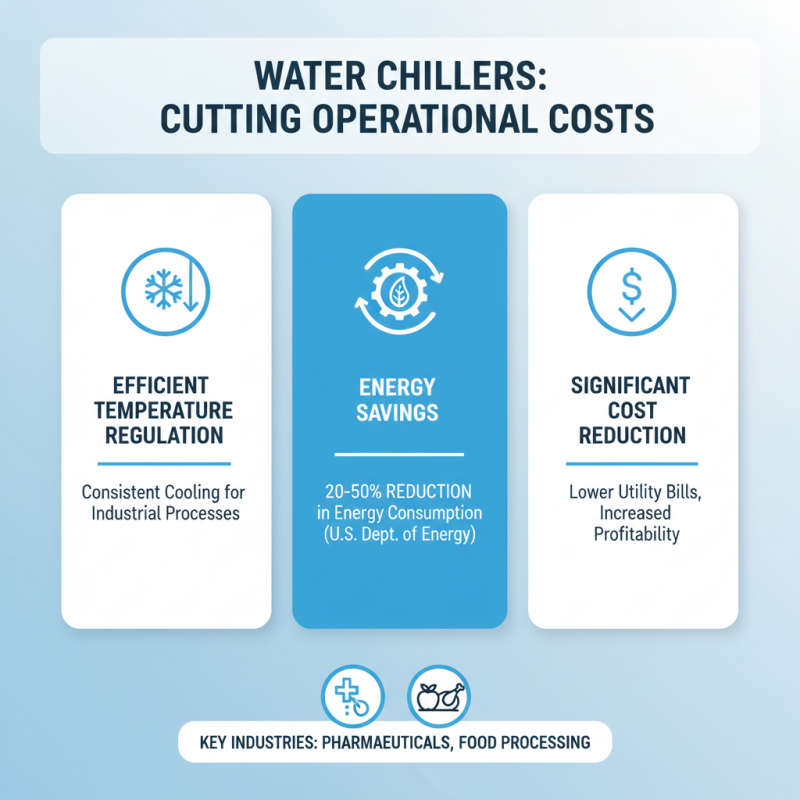
Water chillers play a vital role in reducing operational costs for multiple industries. By efficiently regulating temperatures, these systems can save energy. According to the U.S. Department of Energy, efficient cooling can cut energy consumption by 20-50%. This translates to significant savings in operational budgets, especially for industries that require consistent cooling, such as pharmaceuticals and food processing.

Temperature control ensures optimal equipment performance. Equipment running at improper temperatures can lead to increased wear and tear. This may necessitate more frequent maintenance or replacement, raising costs. A report from the International Institute of Refrigeration indicates that equipment failure can increase operational costs by up to 30%. Utilizing water chillers not only conserves energy but also prolongs the lifespan of machinery, providing more predictable budgeting.

However, some businesses may overlook operational inefficiencies. They might resist investing in advanced systems like water chillers. This hesitation can limit their savings and hinder growth. Without careful evaluation, they miss out on improvements that could enhance performance and reduce costs. Organizations must reflect on their cooling strategies for optimal benefits.

Environmental Benefits of Using Water Chillers in Industries

Water chillers play a vital role in various industries. They offer significant environmental benefits. Using water chillers reduces greenhouse gas emissions. By cooling processes efficiently, they minimize energy consumption.

This leads to lower carbon footprints. Industries can cut their energy bills. This shift not only saves money but also helps the planet. It's a win-win situation. Many companies notice a reduction in waste. This reflects a commitment to sustainability.

Tips: Regular maintenance is crucial. Check coolant levels frequently. Ensure all connections are leak-free. Small changes can enhance efficiency. Consider integrating smart technology for better monitoring.

Chillers can also use alternative cooling methods. For example, water from nearby sources can reduce the reliance on energy-intensive systems. However, the quality of water should be considered. A balance must be struck to avoid environmental harm.

Top 10 Benefits of Using Water Chillers in Industrial Applications - Environmental Benefits of Using Water Chillers in Industries

Benefit Description Environmental Impact Efficiency Rating
Energy Efficiency Water chillers can significantly reduce energy consumption in cooling processes. Lower emissions from reduced energy usage. A++
Sustainability Chillers utilizing water instead of refrigerants support eco-friendly practices. Reduced risk of ozone depletion. A+
Water Conservation Recirculation systems minimize water waste. Supports water resource management. A
Cost Savings Lower operational costs through energy savings. Contributes to lower environmental costs in energy procurement. A
Versatility Applicable in various industries including manufacturing, food, and pharmaceuticals. Promotes industry adaptability to green practices. A+
Reduced Noise Pollution Quiet operation compared to traditional cooling methods. Less noise contributes to better work environments. A
Long Service Life Robust design leads to long operational life. Fewer replacements reduce manufacturing waste. A
Improved Process Performance Optimized cooling enhances productivity and product quality. Greater output efficiency minimizes resource use. A+
Remote Monitoring Allows for real-time environmental monitoring. Enhances compliance with environmental regulations. A+
Reduced Carbon Footprint Chillers lower greenhouse gas emissions compared to air systems. Significantly benefits climate change efforts. A+