Top Lab Centrifuge Brands for Global Buyers Today?
Choosing the right Lab Centrifuge is crucial for efficient laboratory operations. With many brands on the market, it can be challenging for global buyers to make informed choices. Each brand offers different features, reliability, and performance levels. Quality is paramount, as a faulty centrifuge can compromise research results.
Many professionals rely on specific brands known for their innovations and support services. An ideal Lab Centrifuge should match your unique requirements, whether in sample volume or rotor speed. Look for models that provide versatility and are equipped with advanced technology for better results.
Evaluating options from established manufacturers can lead to better outcomes. However, it’s essential to weigh your choices carefully. Engaging with user reviews or expert recommendations can shed light on brand reputations. The world of Lab Centrifuges is diverse, and making the right selection can enhance both productivity and reliability in your lab setting.
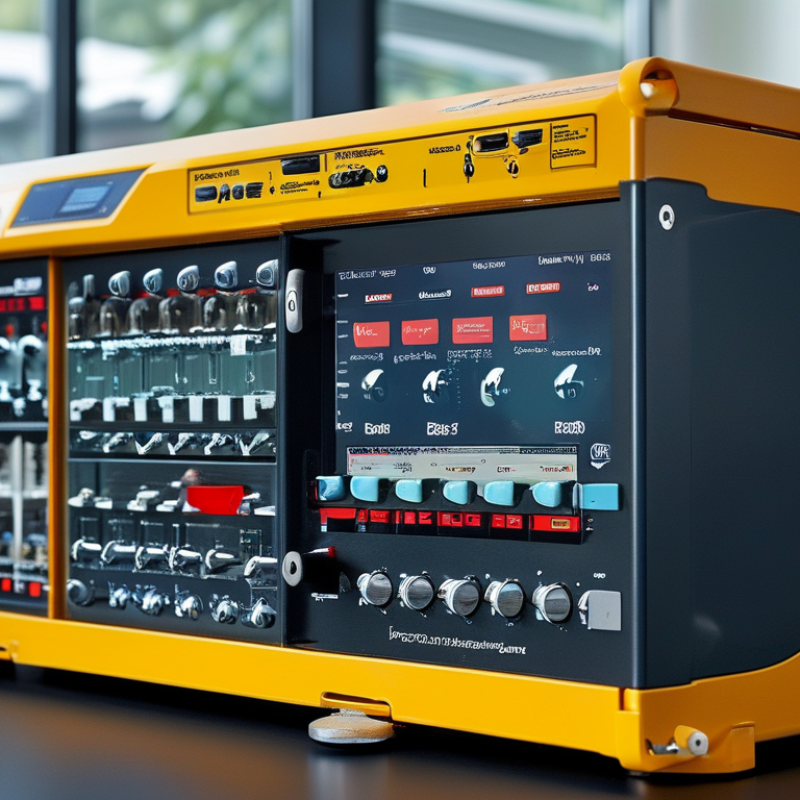
Top Global Lab Centrifuge Brands: An Overview of Market Leaders
The global lab centrifuge market is evolving rapidly. According to a recent report by MarketsandMarkets, the market size is projected to reach USD 4.7 billion by 2025, growing at a CAGR of 6.5%. This growth reflects the increasing demand for advanced laboratory equipment across various sectors, including clinical, biotechnology, and pharmaceuticals.
Key players in the industry focus on innovation, efficiency, and reliability. Many companies are investing in research and development. They seek to enhance the precision and speed of centrifuge machines. However, the high costs associated with cutting-edge technology can be a barrier for smaller laboratories. A shift in demand toward more budget-friendly options can impact market dynamics in future years.
Sustainability is another crucial aspect. Many brands are emphasizing energy-efficient designs. While these products often promise reduced energy consumption, the actual performance compared to traditional centrifuges requires further examination. Laboratories may struggle to balance environmental considerations with operational effectiveness. These complexities reveal underlying challenges in selecting the right equipment for specific lab needs.
Key Features and Technologies of Leading Centrifuge Brands
Centrifuge technology is essential for various scientific applications, particularly in laboratories. Leading brands offer a variety of features that enhance usability. Most modern centrifuges come with programmable settings, allowing users to customize speed and time parameters for precision. This ensures optimal results for different samples.
Additionally, safety features are at the forefront of design. Many units now include automatic lid locking and imbalance detection. These features reduce the risk of accidents, which is a concern in high-speed operations. Easy-to-read displays and intuitive controls are also common. They make the equipment user-friendly. However, it can still be challenging for new users to fully grasp the complexities.
Another aspect is energy efficiency. More brands focus on reducing power consumption. This not only lowers operational costs but also contributes to sustainability efforts. Some models, however, do not perform well under specific conditions. This highlights the necessity of thorough research before making a purchase. Users must analyze their unique needs against available technologies.
Market Share Analysis of Top Centrifuge Manufacturers Worldwide
The global centrifuge market is experiencing rapid growth. Recent reports indicate a CAGR of 6.5% from 2021 to 2028. This growth is driven by advancements in laboratory technology. Increased demand for high-quality analytical results is also a significant factor.
Market share analysis reveals the leading manufacturers dominating the space. Approximately 40% of the market is concentrated among the top three players. These companies benefit from continuous innovation and strategic partnerships. However, there is notable competition from emerging brands, particularly in Asia-Pacific regions.
This competitive landscape often leads to price wars, creating challenges for established players. Many buyers face difficulties in choosing between options. Quality assurance and after-sales service emerge as critical factors influencing purchasing decisions. Buyers seek reliable products but may overlook long-term maintenance costs. Balancing initial investment with future expenses remains an ongoing concern in the industry.
Comparative Review: Pricing Strategies of Popular Centrifuge Brands
When selecting a laboratory centrifuge, understanding pricing strategies is key. Various manufacturers adopt distinct approaches that determine both affordability and features. Some brands focus on premium materials and advanced technology, inflating their prices. Others target cost efficiency, offering simpler models with essential functionalities. Price often reflects the reliability and performance of the device.
One notable aspect is the different pricing tiers. Entry-level models can be surprisingly affordable, making them accessible for small labs. However, oftentimes, they lack advanced features. Mid-range options balance performance and costs, providing valuable functionalities for more significant projects. High-end centrifuges boast superior performance but require a larger budget.
Tips: Always assess your lab's specific needs. Consider both initial costs and long-term maintenance. Sometimes spending a bit more ensures better durability. Additionally, research user reviews to gauge real-world reliability over time. Make informed choices instead of following trends blindly. Reflect on whether the high price translates into actual benefits for your work.
Emerging Trends in Centrifuge Technology and Consumer Preferences
Emerging trends in centrifuge technology reflect a significant shift in consumer preferences. More laboratories are prioritizing energy efficiency in their equipment. Recent studies show that centrifuges which consume less energy can reduce operational costs by up to 30%. This is essential as energy prices rise globally. Many lab managers now seek to balance high performance with low energy consumption.
Another important trend is the integration of smart technologies. Centrifuges with smart features allow for remote monitoring and automated calibration. According to industry reports, devices with IoT capabilities have seen a 25% increase in market demand over the last two years. However, the complexity of operation may pose a learning curve for some users.
Moreover, customization is becoming vital. Laboratories increasingly require specific features tailored to their unique workflows. Customizable centrifuges can address diverse sample types and volumes. Yet, not all manufacturers can meet these demands, leading to some dissatisfaction among consumers. Ultimately, the centrifuge market must evolve to provide both innovative features and reliability to satisfy modern laboratory needs.