Top 10 Ceramic Mixer Machine Benefits for Your Business?
The ceramic mixer machine is a powerful asset for any business involved in ceramic production. This machine enhances efficiency and consistency in mixing materials, which is crucial for quality. Imagine the smooth integration of clay, glazes, and additives, creating perfect blends effortlessly.
One significant advantage of the Ceramic Mixer Machine is its ability to save time. Businesses can process larger batches quickly, reducing overall production time. This speed allows companies to meet tight deadlines and increases profitability. In today's competitive market, speed is often essential, yet businesses should ensure they balance speed with quality.
Moreover, the machine supports precise measurements and adjustments. This precision can lead to superior products, but companies must continually evaluate their mixing techniques. Relying solely on machinery can lead to complacency. Regular assessments and occasional hands-on involvement are crucial to maintaining high standards in production. The Ceramic Mixer Machine is a step forward, yet it requires ongoing attention and refinement.
Advantages of Using Ceramic Mixer Machines in Manufacturing
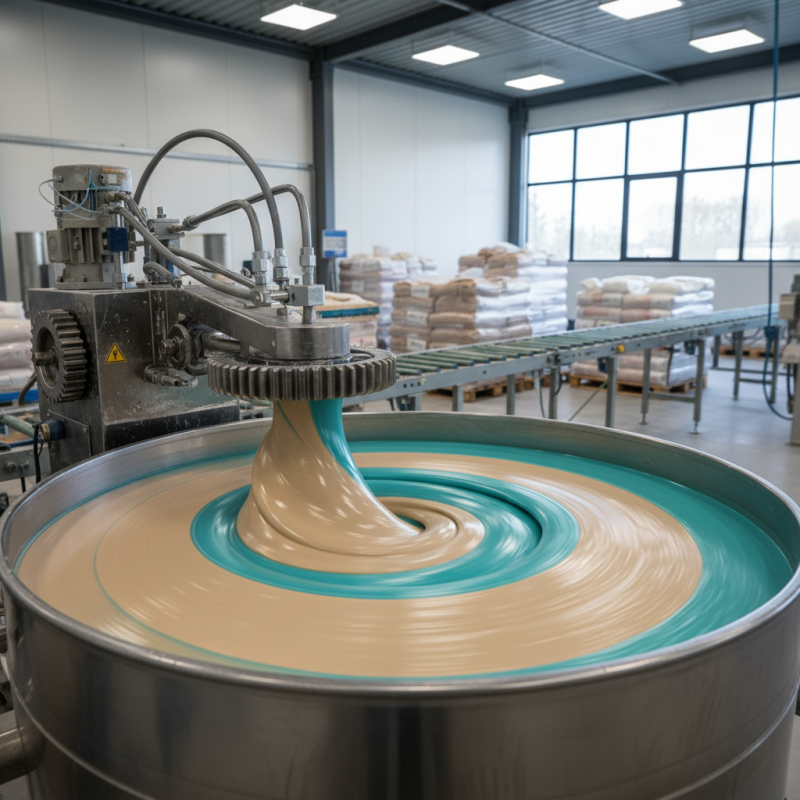
Ceramic mixer machines offer unique advantages in manufacturing. These machines excel in achieving uniform mixtures. In industries such as pottery and tile production, consistency is essential. A uniform blend ensures product quality. Additionally, these machines are known for their efficiency. They can significantly reduce mixing times compared to traditional methods. This efficiency helps manufacturers meet production goals.
One of the challenges is the initial investment. Quality ceramic mixers can be expensive. Businesses must weigh the upfront cost against long-term benefits. However, the durability of these machines can offset this concern. They tend to require less maintenance over time. Efficiency boosts profitability, but it requires an upfront commitment. Implementing a ceramic mixer machine is a step forward, but it might lead to adjustments in existing workflows.
Moreover, these mixers reduce waste in material handling. A well-mixed batch minimizes leftover products. This not only lowers production costs but also benefits the environment. Nonetheless, proper training is crucial to realize these benefits fully. Employees must understand how to operate the machines effectively. Ignoring this could lead to mistakes, impacting product quality. An investment in training is just as important as investing in the machinery itself.
Top 10 Ceramic Mixer Machine Benefits for Your Business
| Benefit | Description | Impact on Business |
| Enhanced Mixing Efficiency | Ceramic mixers can reduce mixing time and improve consistency in product texture. | Increased production output and reduced labor costs. |
| Durability | Ceramic materials resist wear and tear better than metal, leading to longer machine life. | Reduced maintenance costs and downtime. |
| Versatility | Suitable for mixing a wide variety of materials including powders, liquids, and gels. | Ability to diversify product offerings. |
| Easy Cleaning | Smooth ceramic surfaces allow for quick and thorough cleaning. | Less time spent on cleaning reduces overall production cycle time. |
| Improved Quality Control | Consistent mixing leads to uniform product quality. | Higher customer satisfaction and reduced waste. |
| Energy Efficiency | Modern ceramic mixers use less energy than traditional mixers. | Lower utility bills and improved sustainability. |
| Reduced Material Loss | Designed to minimize waste during the mixing process. | Higher profit margins on products. |
| Lower Noise Levels | Ceramic mixers tend to operate at lower noise levels compared to metal mixers. | Better working environment for employees. |
| Customization Options | Can be tailored to specific manufacturing needs. | Increased efficiency and alignment with production goals. |
Enhanced Product Quality Through Ceramic Mixer Technology
In today's competitive market, the quality of products can make or break a business. Ceramic mixer technology plays a crucial role in enhancing product quality. By utilizing ceramic mixers, businesses can achieve superior homogeneity in their mixtures. This consistency is vital for ensuring that the final product meets exact specifications.
According to industry data, companies that implement advanced mixing technology can reduce defects by up to 30%. This translates to significant savings and improved customer satisfaction. Furthermore, ceramic mixers are capable of processing materials at higher speeds without sacrificing quality. This increase in efficiency can boost overall production output by 20% or more, contributing to greater profitability.
However, not all ceramic mixers offer the same advantages. Some businesses may overlook critical factors, such as maintenance and operational costs. While upfront investments in advanced technology may seem daunting, the long-term benefits of using ceramic mixers are clear. Regular assessment of equipment and processes is essential to ensure ongoing performance and adaptability in changing market conditions.
Cost Efficiency and Energy Savings with Ceramic Mixers
Ceramic mixer machines offer significant cost efficiency for businesses. They utilize advanced technology that reduces energy consumption. This translates to lower utility bills over time. With less energy used, the mixer also emits fewer greenhouse gases, contributing to a more sustainable operation. Many businesses find that these mixers improve their profit margins.
Energy savings are crucial for every company. A ceramic mixer can reduce operational costs by optimizing resource usage. These machines require less maintenance compared to traditional mixers. This not only saves money but also time. When considering a mixer, look for features that enhance energy efficiency.
Tip: Regular maintenance can further improve efficiency. Inspect seals and bearings to avoid energy loss.
The initial investment might seem high. However, the long-term savings can outweigh this cost. In the right environment, a ceramic mixer can prove to be a long-term asset. Seek insights from others who use these machines. Their experiences might reveal aspects you haven’t considered.
Tip: Analyze your production needs before choosing equipment. Make sure it aligns with your goals. A mismatch can lead to wasted resources.
Increased Production Speed with Advanced Ceramic Mixing Solutions
In today’s competitive market, increased production speed is vital. Advanced ceramic mixing solutions offer remarkable benefits for businesses. These machines streamline the mixing process, leading to faster output. The improved efficiency directly impacts production timelines. This means you can meet customer demands more swiftly.
Tips for improving your mixing process include regular maintenance of your equipment. A well-maintained mixer performs better and lasts longer. Consider staff training for optimal use of machinery. Sometimes, shortcuts can lead to mistakes. Avoid rushing through setup. Take time to ensure everything is in place.
The latest ceramic mixer technology can handle complex materials. These machines reduce energy consumption while boosting capacity. However, incorporating new technology can be challenging. Operators may need time to adjust. Some may feel overwhelmed by the changes. Embrace a gradual transition to ensure a smoother experience. Experimenting with different mixing speeds could lead to better results.
Top 10 Benefits of Ceramic Mixer Machines
Versatility of Ceramic Mixer Machines in Various Industries
Ceramic mixer machines have gained traction across various industries due to their versatility. The construction sector, for example, increasingly relies on these machines for mixing materials like cement and clay. According to a report by Global Market Insights, the demand for ceramic mixing equipment is projected to grow by 6% annually over the next five years. This growth reflects a shift towards more efficient processing techniques.
Food production is another area benefiting from ceramic mixer machines. These machines can easily handle a range of ingredients, including powders and liquids, ensuring homogeneous blends. A study by the Food Processing Technology journal highlighted that companies using ceramic mixers reported a 30% increase in efficiency. However, some challenges remain. Mix consistency can vary if not monitored closely, which raises the need for proper calibration.
The pharmaceutical industry also utilizes ceramic mixers for granulation processes. These machines ensure a sterile environment, critical for product safety. Reports indicate that 70% of manufacturers are seeking more reliable mixing solutions. Yet, others struggle with maintenance. Ceramic mixers require careful upkeep to function optimally, and oversight can lead to production delays. Addressing these issues is crucial for maximizing the benefits of these machines in diverse applications.