Top Chillers for Efficient Cooling Solutions for Your Needs?
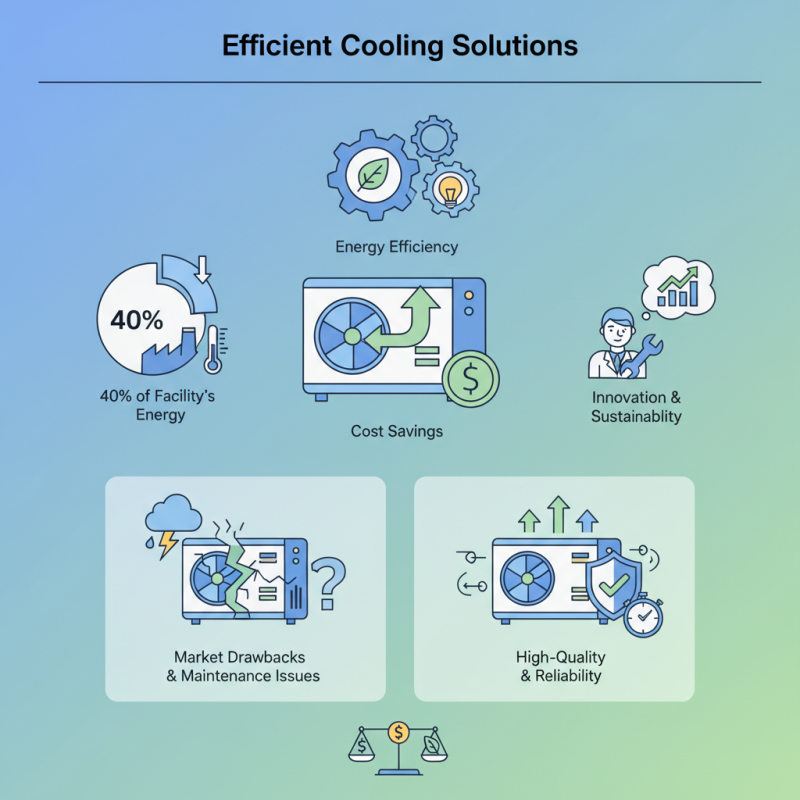
In today’s rapidly evolving industrial landscape, maximizing energy efficiency is vital. Chillers play a crucial role in cooling solutions across various sectors. According to a recent report by the International Energy Agency, chillers account for about 40% of a facility’s total energy consumption. This staggering figure highlights the importance of selecting the right chillers for effective energy management.
Expert Tom Reynolds, a leading figure in HVAC systems, emphasizes the necessity of innovation: "Efficient chillers are not just a choice; they are a requirement for sustainability." His insight reflects the growing trend towards energy-efficient technologies in cooling systems. As companies strive to meet sustainability goals, the selection of chillers must align with these objectives.
However, the market has drawbacks. Not all chillers provide the promised energy savings or reliability. Many systems struggle with maintenance issues or fail to adapt to fluctuating demands. Facilities must evaluate their options carefully. Investing in high-quality chillers can lead to significant savings, yet many organizations overlook these benefits. Finding the perfect balance between cost and efficiency remains a challenge for many.
Understanding Chillers: Types and Applications
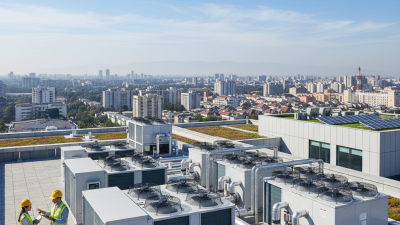
Chillers are essential in many industries. They help maintain the desired temperature in various applications. There are several types of chillers, each serving unique needs. For instance, air-cooled chillers are common in smaller operations. They utilize ambient air to cool refrigerants. This setup is simple and requires less maintenance. However, they might be less efficient in warmer climates.
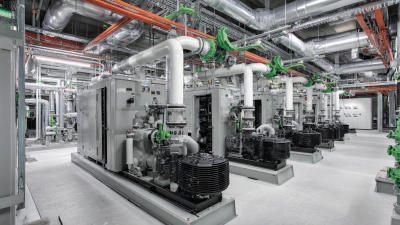
On the other hand, water-cooled chillers excel in larger systems. They use water as a cooling medium, which improves efficiency. These units often find their place in commercial buildings and industrial sites. Nevertheless, they require a reliable water supply, which can be a limitation. Understanding these types helps in making informed decisions. Choosing the right chiller can impact energy consumption significantly.
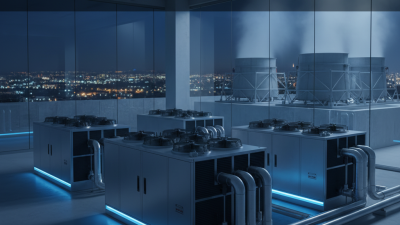
Applications vary extensively, from food processing to HVAC systems. In the food industry, precise temperature control prevents spoilage. Meanwhile, in data centers, chillers maintain optimal operating conditions. It’s crucial to reflect on specific needs before selecting a chiller. Each system has its benefits and drawbacks. Analyzing your cooling requirements is vital for long-term satisfaction.
Key Features to Look for in Efficient Cooling Solutions
When selecting efficient cooling solutions, key features play a vital role. Look for energy efficiency ratings. According to the Department of Energy, advanced chillers can reduce energy consumption by up to 50%. This not only lowers utility bills but also minimizes environmental impact.
Noise levels matter too. A quieter chiller can significantly enhance comfort in residential or office settings. Many models now offer noise-reduction technology. However, some units may still exceed acceptable sound levels. Be sure to check dB ratings carefully.
Additionally, control features are crucial. Smart technology integration allows for real-time monitoring. This can optimize performance based on demand, enhancing efficiency. Reports from industry experts indicate that automated systems can improve cooling efficiency by 20%. Yet, not all systems are user-friendly. Some require extensive training to operate optimally. Make informed decisions based on your specific needs and available infrastructure.
Top Brands in the Chiller Market: An Overview
The chiller market is evolving rapidly, driven by the growing need for energy efficiency and sustainability. Recent industry reports indicate that the global chiller market is expected to reach $10 billion by 2025, with a compound annual growth rate (CAGR) of 4.6%. This growth is fueled by technological advancements, increasing industrial applications, and the rising demand for HVAC systems.
Leading brands in the chiller sector focus on innovative solutions. According to a study, around 55% of users prioritize energy efficiency when selecting chillers. Users are aware that energy-efficient models can reduce energy consumption by up to 30%. This has led to an increasing interest in historical performance data and energy ratings. Such insights help users make informed decisions, yet many still struggle to understand technical specifics.
Despite advancements, challenges remain. Some models can be overly complex for average users, leading to confusion during installation or maintenance. Additionally, the cost of high-efficiency models may deter potential buyers. This underscores the importance of education and training in the chiller market. Ensuring users understand both purchase benefits and operational challenges can lead to better choices in cooling solutions.
Energy Efficiency Ratings: Importance and Benefits
Energy efficiency ratings are crucial in selecting cooling solutions. They indicate how effectively a chiller operates. High ratings can lead to significant savings on energy bills. Think of it as a badge of honor for efficient machines. This badge is not just a number; it reflects real-world performance.
Understanding these ratings can be daunting. Not all models are created equal. Sometimes, a lower-rated chiller may still fulfill certain needs better. Analyzing your specific requirements is essential. For instance, a business with high cooling demand may need different specifications than a small office.
Moreover, energy-efficient chillers can benefit the environment. They reduce carbon footprints and lower greenhouse gas emissions. However, acquiring such a system requires upfront investment. This investment can feel overwhelming. Balancing cost with performance is a constant challenge. Are you ready to make that commitment?
Maintenance Tips for Optimal Chiller Performance
Maintaining optimal chiller performance is crucial for efficient cooling. Regular maintenance checks can prevent unexpected breakdowns. Start with routine inspections of refrigerant levels. Low levels can cause inefficiency and increased energy costs.
Clean the coils frequently to avoid dust buildup. This buildup acts as an insulator, reducing cooling efficiency. While it might seem tedious, a clean coil is vital. It ensures air flows freely, improving performance.
Don't forget the importance of monitoring temperatures. An unexpected spike can signal a problem. Address any issues promptly to avoid larger repairs. Consider developing a maintenance schedule. Regular attention can make a significant difference.
Top Chillers for Efficient Cooling Solutions
| Chiller Type |
Cooling Capacity (kW) |
Energy Efficiency Ratio (EER) |
Operating Temperature (°C) |
Maintenance Frequency (months) |
| Air-Cooled Chiller |
100 |
3.5 |
-5 to 45 |
6 |
| Water-Cooled Chiller |
150 |
4.0 |
-10 to 40 |
12 |
| Scroll Chiller |
80 |
3.8 |
-5 to 45 |
6 |
| Screw Chiller |
200 |
4.5 |
-5 to 50 |
12 |
| Centrifugal Chiller |
250 |
5.0 |
-10 to 45 |
15 |