2026 Top Water Chiller Unit Features You Need to Know?
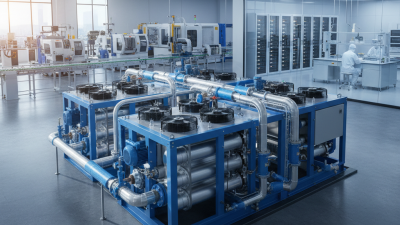
As industries evolve, the demand for efficient cooling systems rises. The water chiller unit plays a critical role in various applications, from manufacturing to comfort cooling. In 2026, understanding the key features of these units becomes essential for optimizing energy use and performance.
Modern water chiller units come with advanced technologies that enhance reliability and efficiency. Features such as variable speed compressors and smart controls can significantly reduce energy consumption. However, knowing how to effectively utilize these features can be challenging.
It’s important to consider the specifications of the units available. Not every chiller suits every application. Some units offer greater energy efficiency while others focus on space-saving designs. Exploring these differences helps businesses make informed choices. Balancing effectiveness with practicality can sometimes lead to oversights. Nonetheless, recognizing and addressing these aspects is essential for maximizing the benefits of water chiller units.
Key Technological Advancements in Water Chiller Units for 2026
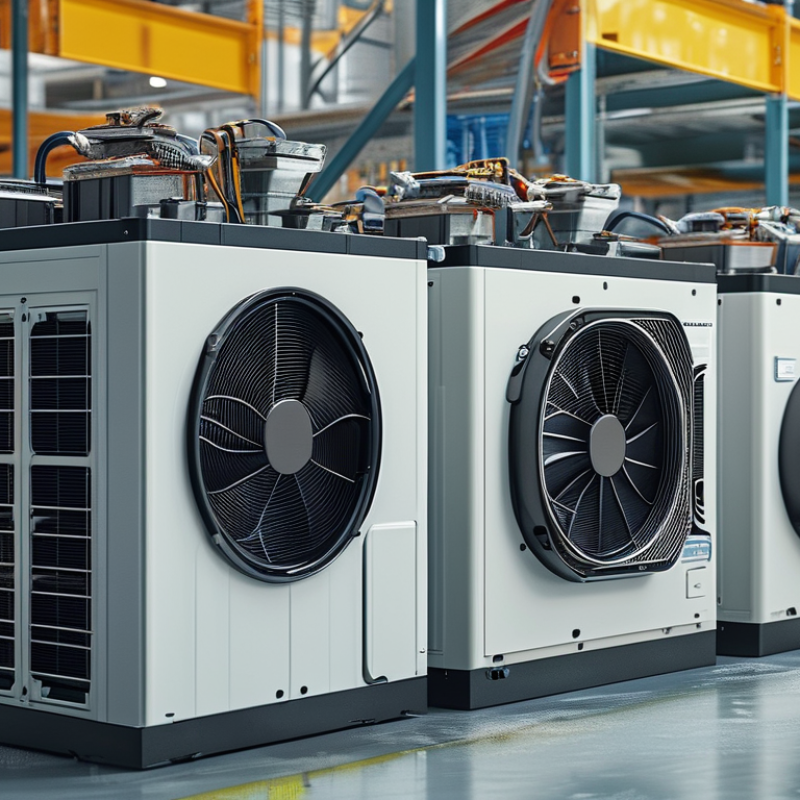
In 2026, water chiller units are set to undergo significant advancements. Modern designs prioritize energy efficiency. New technologies reduce power consumption, which will lower operational costs. Users will benefit from enhanced performance with reduced environmental impact. This aligns well with global sustainability goals and carbon footprint reduction.
The integration of smart technology is another key advancement. IoT-enabled chillers allow for remote monitoring and real-time data analysis. This facilitates preventive maintenance, boosting reliability. Users can identify issues before they escalate. However, this requires a learning curve for staff. Training may be essential to maximize the benefits.
Finally, innovative materials are making waves. Advanced thermal insulation enhances cooling efficiency. Yet, these materials can be more expensive. Organizations may face a trade-off between upfront costs and long-term savings. Regular assessments are crucial to ensure these units meet evolving operational needs. As the water chiller landscape evolves, staying informed is vital for informed decision-making.
Energy Efficiency Standards and Ratings for Modern Water Chillers
When selecting a modern water chiller, understanding energy efficiency standards is crucial. Efficiency ratings, such as EER and COP, indicate how well a unit converts electrical energy into cooling output. High-efficiency models lower operating costs and reduce environmental impact. These standards evolve regularly, driven by technological advancements and climate goals.
Manufacturers often highlight their models' energy savings. However, real-world performance can differ from advertised benefits. Evaluating the energy efficiency of your water chiller should include assessing its capacity and operating environment. Sometimes, the most efficient model may not fit your specific needs.
It’s essential to be cautious of misleading claims. Some units may receive high ratings yet perform poorly under heavy loads. Research and comparison are vital. Seek independent reviews or consult industry experts to ensure reliable information. Focus on the long-term benefits rather than initial purchase prices. Investing in a quality unit may yield greater savings over time.
Essential Features to Enhance Performance in 2026 Water Chillers
As we approach the advanced cooling systems of 2026, understanding essential features for water chillers becomes crucial. Energy efficiency, for instance, is a significant focus. Reports indicate that systems with variable speed drives can reduce energy consumption by as much as 30%. This not only lowers operational costs but also aligns with global sustainability goals.
Temperature control systems are also evolving. Advanced chillers will likely feature smart sensors that adjust cooling based on real-time demand. This capability helps maintain optimal temperatures, which is vital for industrial processes where precision matters. Recent studies highlight that inaccurate temperature control can lead to production losses, emphasizing the importance of reliable features in chillers.
Furthermore, the introduction of environmentally friendly refrigerants is becoming standard. In the last few years, HVACR industry reports have shown that transitioning to low-GWP refrigerants reduces greenhouse gas emissions significantly. However, the shift also poses challenges. Professionals need to adapt their knowledge and systems to comply with changing regulations. This evolving landscape demands a focus on features that not only improve performance but also adhere to best practices for environmental responsibility.
2026 Top Water Chiller Unit Performance Features
Innovative Design Elements in Cutting-Edge Water Chiller Units
Modern water chiller units are evolving rapidly. These units are becoming more efficient and compact. A recent industry report from the International Institute of Refrigeration highlights that energy efficiency can improve by up to 30% in the latest models. This enhancement is largely due to innovative design elements. Integrated sensors play a critical role by monitoring performance and adjusting settings in real-time. This results in optimized cooling and reduced energy consumption.
The incorporation of smart technology is also noteworthy. Many units now feature wireless connectivity. This allows for remote monitoring and control through mobile apps. According to a market study by Research and Markets, 50% of new water chiller units will incorporate IoT technology by 2026. However, the challenge remains in maintaining this technology's reliability over time. Some users report connectivity issues that can disrupt operations.
Another design breakthrough is modular construction. These units can be customized to fit specific needs. For instance, users can easily expand their cooling capacity without significant downtime. Yet, the complexity of such systems can lead to installation errors. Proper training for technicians is essential to maximize the benefits. These innovations showcase the industry's commitment to improving water chiller units, even as challenges persist.
Future Trends in Water Chilling Solutions and Their Implications
As the demand for efficient cooling solutions grows, water chillers are evolving rapidly. The future of water chilling solutions hinges on advanced technology and sustainability. New materials, such as environmentally friendly refrigerants, are redefining standards. This shift reflects a greater awareness of ecological impacts, which is crucial in today's world.
Energy efficiency is at the forefront of future designs. Many manufacturers are focusing on optimizing energy consumption, reducing operational costs. Digitization plays a significant role in this trend. Smart chillers equipped with IoT technology enable real-time monitoring and predictive maintenance. This capability enhances efficiency and reliability but also introduces complexities in operation and management.
A key consideration is the adaptation to changing climates. Water chillers will need to operate efficiently in diverse conditions. This adaptability may require more robust designs and innovative engineering solutions. While the progress is promising, challenges such as rising energy prices and resource scarcity cannot be overlooked. The balance between advancement and sustainability remains a topic for ongoing discussion.
2026 Top Water Chiller Unit Features You Need to Know
| Feature |
Description |
Future Implications |
| Energy Efficiency |
Advanced technologies that reduce energy consumption. |
Lower operational costs and reduced carbon footprint. |
| Smart Controls |
Integration with IoT for remote monitoring and control. |
Improved responsiveness and maintenance efficiency. |
| Sustainable Refrigerants |
Use of eco-friendly refrigerants with low global warming potential. |
Compliance with regulations and enhanced environmental protection. |
| Modular Design |
Modular units for flexible scaling and installation. |
Adaptable to varying cooling demands and increased versatility. |
| Noise Reduction Technology |
Innovative designs that minimize operational noise. |
Better suitability for urban environments and indoor use. |