How to Choose the Best Portable Chiller for Your Needs?
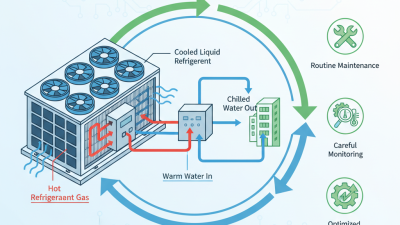
Choosing the right portable chiller can be a daunting task. With so many options available, it’s easy to feel overwhelmed. A portable chiller is essential for maintaining optimal temperature in various settings. Whether for events, construction sites, or industrial applications, its role is critical.
Consider your unique needs before making a decision. Evaluate the cooling capacity, power source, and mobility. It's important to think about how much cooling power you truly require. A smaller model might suffice for short-term events, while larger projects may need more robust options. Reflect on where and how you will use it. This understanding shapes your choice.
Experts suggest that efficiency and reliability should be top priorities. Look for models with good reviews and reputable brands. Don't just focus on price; think about long-term value. While you seek the best portable chiller, remember that the perfect choice may not exist. Balancing features, cost, and personal needs often involves trade-offs.
Understanding the Different Types of Portable Chillers Available
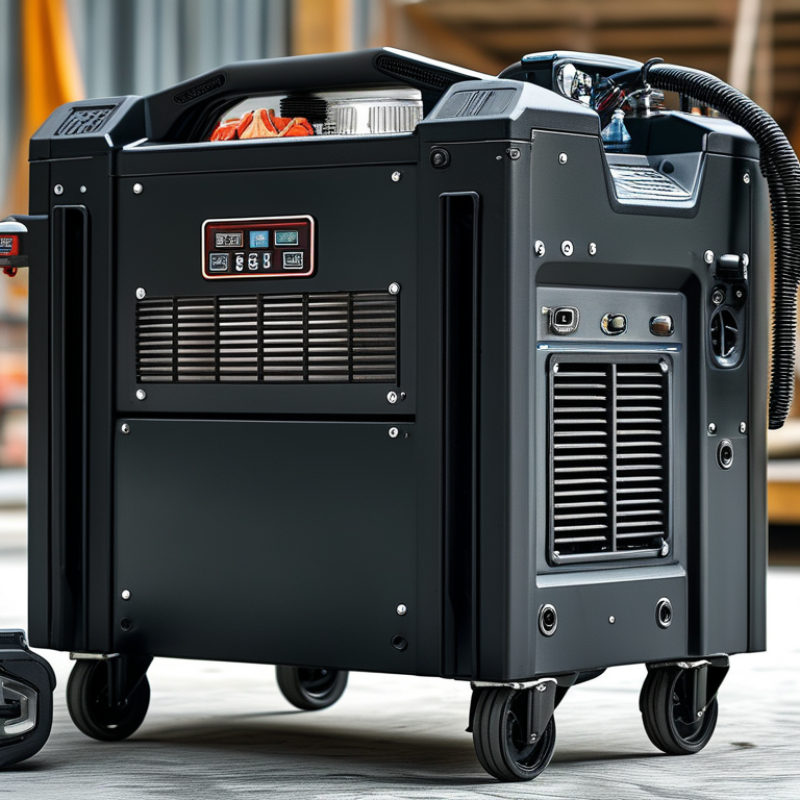
When selecting a portable chiller, it's essential to understand the various types available. Generally, portable chillers can be categorized into air-cooled and water-cooled systems. Air-cooled chillers often serve smaller spaces. They are easier to install and maintain. According to a report by the International Institute of Refrigeration, air-cooled units account for approximately 70% of the market due to their versatile applications.
Water-cooled chillers, on the other hand, provide higher efficiency, especially in larger setups. They often require a more complex installation due to water supply necessity. A study from the ASHRAE indicates that these chillers can reduce operational costs by up to 30% in extensive operations. However, maintenance can be more demanding as they involve managing associated plumbing systems.
Additionally, electricity consumption is another vital factor to factor in. Some models offer energy-saving modes, which significantly lessen energy use. However, not every model is efficient under varying load conditions. Buyers should critically examine their specific requirements versus potential energy savings. Prospective users must recognize that each type has strengths and weaknesses, influenced by operational conditions and requirements.
Key Features to Consider When Selecting a Portable Chiller
When selecting a portable chiller, several key features come into play. First, consider the cooling capacity. Most portable chillers range from 1 ton to 5 tons. According to industry data, units with a capacity closer to 5 tons are more efficient for larger spaces. Assess the required temperature range as well. Some chillers operate optimally between 35°F and 45°F, while others can achieve lower temperatures. This will directly impact your operational needs and efficiency.
Another important factor is energy efficiency. Look for models with high Energy Efficiency Ratios (EER). A higher EER indicates better efficiency, which translates to lower operational costs. In a recent report, models with an EER above 12 were noted to save users up to 30% in energy costs over time. Portability also matters. Weigh the unit, check the dimensions, and consider the ease of transport. Chillers with wheels or compact designs often offer greater flexibility in placement, enhancing usability in diverse environments.
Lastly, evaluate the maintenance requirements. Some chillers need frequent service, while others have self-cleaning features. A study showed that easy maintenance can prolong the lifespan of the unit by over 40%. Users may overlook this but spending less time on upkeep is valuable. Understanding these key aspects can lead to a more informed decision when choosing your portable chiller.
How to Choose the Best Portable Chiller for Your Needs? - Key Features to Consider When Selecting a Portable Chiller
| Feature |
Description |
Importance |
Recommended Range |
| Cooling Capacity |
The amount of heat a chiller can remove from a system per hour, measured in BTUs or kW. |
Critical for ensuring the chiller meets the cooling requirements. |
5,000 - 30,000 BTUs |
| Portability |
Ease of movement; typically includes wheels and handles. |
Essential for applications that require relocation. |
Lightweight, less than 200 lbs |
| Energy Efficiency |
The ratio of cooling output to energy input, often expressed as EER or COP. |
Lower operating costs and reduced environmental impact. |
EER ≥ 10 |
| Temperature Range |
The operating range of temperatures the chiller can maintain. |
Critical for matching application needs. |
-10°C to 30°C |
| Control Options |
Types of controls available (manual, digital, or smart). |
Affects usability and the ability to integrate into automated systems. |
Digital or smart controls preferred |
| Noise Level |
Measured in decibels (dB), indicates how loud the chiller operates. |
Important for residential or quiet areas. |
< 60 dB |
Determining the Correct Cooling Capacity for Your Application
Choosing the right cooling capacity is crucial when selecting a portable chiller. First, assess the heat load of your application. Different environments generate varying amounts of heat. Identify the equipment you want to cool and determine its heat output. This will help you understand the cooling requirements.
Next, consider the ambient temperature of the workspace. Higher ambient temperatures can increase the required cooling capacity. Take into account factors like space size and insulation. These elements can significantly affect the performance of a chiller.
An often overlooked aspect is the duration of use. Is the chiller needed for short bursts or continuous operation? This can impact how you size the cooling capacity. It's easy to miscalculate if you don't account for all variables. Regularly revisiting your calculations can lead to better decisions later.
Specify your needs clearly to avoid any regret in the future. An accurate assessment leads to reliable performance, which is essential for your satisfaction.
Assessing Energy Efficiency and Operating Costs of Portable Chillers
When assessing energy efficiency and operating costs of portable chillers, understanding the cooling capacity is crucial. Typically, chillers range from 1 to 100 tons, with larger systems consuming significantly more energy. According to a report by the U.S. Department of Energy, energy consumption can vary by 30% based on efficiency ratings. A unit with a high Energy Efficiency Ratio (EER) can save substantial annual costs.
Operating costs also include maintenance and replacement parts. Regular maintenance can prevent costly breakdowns. Research indicates that neglected chillers can incur energy losses of up to 20%. By investing in a reliable maintenance schedule, users can ensure optimal performance and sustainability. Additionally, portable chillers may have varying installation requirements, impacting the total cost of ownership.
It's important to consider the refrigerant type used in portable chillers. Some refrigerants have a higher global warming potential. Choosing chillers with low-GWP refrigerants can minimize environmental impact. However, these models might come with higher upfront costs. Balancing initial investments with long-term savings is essential for making informed decisions. Analyzing specific needs and operational contexts will aid in selecting the best chiller suited for unique requirements.
Evaluating Maintenance Requirements and Support Services for Chillers
When selecting a portable chiller, assessing maintenance requirements is essential. Regular maintenance ensures optimal performance and longevity. According to industry reports, chillers with robust maintenance support can reduce operational downtime by up to 30%. This highlights the importance of reliable service plans. Understanding the frequency of required maintenance tasks is crucial. Some models may need monthly checks, while others can function well with quarterly inspections.
In addition, support services play a significant role in the decision-making process. A study from the Cooling Technology Institute notes that timely technician responses can minimize system interruptions. It's vital to evaluate the availability of support services in your area. Having easy access to experienced technicians can make a big difference. Moreover, some users report feeling overwhelmed by limited guidance in choosing the right support package. Addressing this gap can lead to better investments in chiller systems.
Buying a chiller isn’t just about specifications. It’s about how well it fits into your operations. Understanding the potential pitfalls and asking critical questions will guide your choice. Does the service plan include emergency support? What are the costs associated with routine maintenance? Taking time to evaluate these aspects can lead to better outcomes in the long run.
Portable Chiller Maintenance Requirements and Support Services