10 Best Water Chiller Machines for Global Buyers?
Choosing the right water chiller machine is rarely a simple price comparison. Global buyers must examine cooling capacity, energy efficiency, refrigerant type, water quality, ambient temperature, and local service access. A unit that performs well in a cool European warehouse may struggle in a humid coastal factory. Small details matter, including condenser airflow, pump sizing, control response, and spare-parts availability.
Dr. Michael J. Brandemuehl, an ASHRAE Fellow and specialist in building energy systems, observes, “A chiller’s real value appears when performance, controls, and maintenance work together.” This practical view guides our selection of ten leading machines. The list considers documented operating data, manufacturer experience, safety features, warranty support, and long-term operating costs. It also recognizes different applications, from process cooling and food production to commercial buildings and medical facilities.
No ranking is perfect.
Performance depends on installation quality. A high-efficiency water chiller machine can waste energy if tubes become fouled or sensors remain poorly calibrated. Buyers should also question marketing claims that omit full-load conditions, entering-water temperatures, or seasonal efficiency. Those omissions can change the purchasing decision. The following guide offers a balanced starting point, not a substitute for an engineer’s load calculation. It aims to help distributors, contractors, and facility owners compare reliable options with clearer expectations.
What Is a Water Chiller Machine and How Does It Work?
A water chiller machine removes heat from water through a refrigeration cycle. A compressor raises the refrigerant’s pressure and temperature. The condenser then releases that heat to air or cooling water. The refrigerant expands, cools, and enters the evaporator. There, it absorbs heat from circulating process water.
That chilled water may cool factory equipment, data rooms, medical systems, or large buildings. Pumps move it through pipes, while sensors adjust flow and temperature. The International Energy Agency reports that cooling uses about 10% of global electricity. The 2023 Global Cooling Watch also projects cooling demand could more than triple by 2050. Efficiency matters.
Buyers should examine cooling capacity, entering and leaving water temperatures, flow rate, and ambient conditions. A machine rated for 7°C outlet water may perform differently in a hot coastal plant. COP and integrated part-load value reveal more than capacity alone. Maintenance records matter too. Dirty condenser coils increase operating pressure and energy use. I have found that a perfect specification sheet can still hide poor installation. Noise, water quality, service access, and control compatibility deserve equal attention. The cheapest unit is not always the lowest-cost choice.
10 Best Water Chiller Machines for Global Buyers
Typical cooling-capacity ranges by water chiller machine type
Water chiller machines remove heat from water or a water-glycol mixture and reject it through air, cooling water, or an absorption cycle. The capacity ranges shown are representative industry ranges in kilowatts; actual performance depends on design conditions, refrigerant, entering and leaving water temperatures, ambient conditions, and application requirements.
Key Factors for Comparing Chillers in Global Markets
10 Best Water Chiller Machines for Global Buyers?
Comparing chillers across global markets requires more than checking cooling capacity. Start with the real operating conditions. A machine rated at 100 kW may perform differently in a hot warehouse, a humid factory, or a high-altitude facility. Review leaving-water temperature, ambient limits, flow rate, and part-load efficiency. These details often expose gaps between laboratory data and daily production.
Electrical compatibility matters.
Confirm voltage, frequency, phase, and control-panel requirements before purchasing. Refrigerant selection also deserves careful review because environmental rules differ between regions. Ask for efficiency data at several load levels, not only the maximum rating. Lower energy use can reduce operating costs, but an efficient unit may need more advanced maintenance. That trade-off is easy to overlook.
Service support can decide whether a chiller remains valuable after installation.
Check local technicians, spare-parts availability, response times, and remote monitoring options. Inspect water-quality requirements, filter access, noise levels, and safety certifications for the destination market. From practical equipment evaluations, unclear maintenance instructions create avoidable downtime. I have also found that buyers sometimes trust attractive specifications too quickly. No comparison is perfect. Site conditions change, and actual performance may fall below the brochure figure. Request test records, warranty terms, installation guidance, and references from similar climates before making a final decision.
Ten Leading Water Chiller Machines and Their Main Features
Ten Leading Water Chiller Machines and Their Main Features
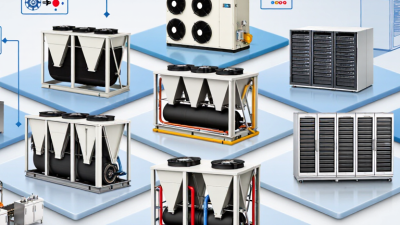
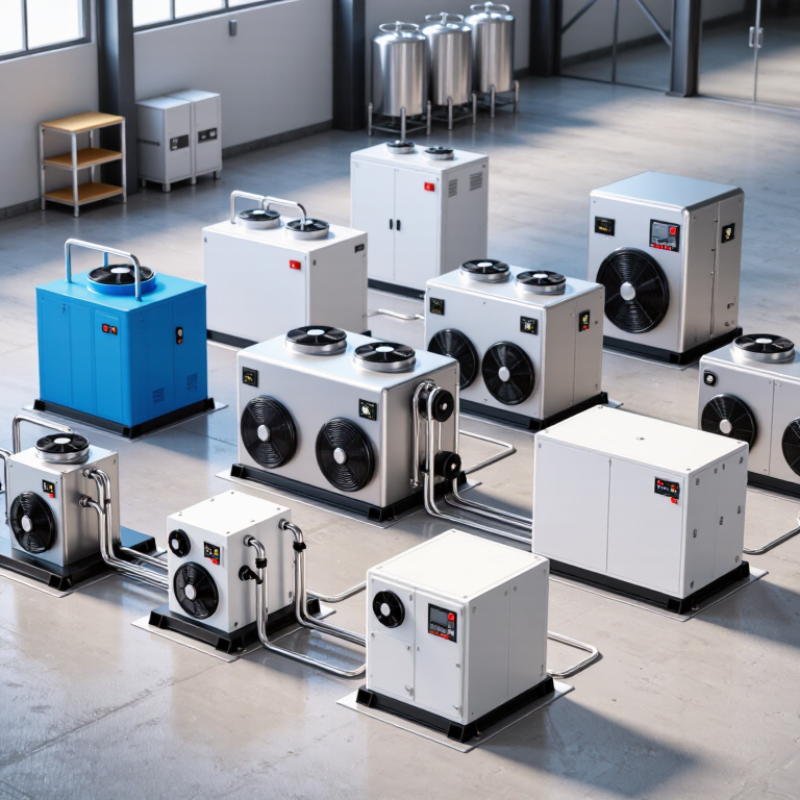
Water chiller selection depends on cooling load, water quality, climate, and operating hours. From field experience, ten machine types deserve close attention.
Air-cooled scroll chillers offer compact installation and simple maintenance.
Water-cooled screw chillers deliver steady performance for large factories.
Air-cooled screw chillers suit sites with limited water supplies.
Centrifugal chillers provide efficient cooling for major commercial buildings.
Magnetic-bearing centrifugal units reduce friction and support quieter operation.
Small portable chillers help laboratories, workshops, and temporary production lines. Modular chillers allow capacity expansion as demand changes. Glycol-compatible process chillers protect systems operating below normal water temperatures. Laser-process chillers maintain tight temperature control for sensitive equipment. High-temperature industrial chillers support applications requiring warmer return water and durable heat exchangers.
Real installations reveal important details.
A dusty outdoor site can quickly reduce air-cooled efficiency. Hard water may cause scaling inside condensers. Operators should inspect filters, pumps, flow switches, and refrigerant readings regularly. I have seen an oversized chiller cycle too often, wasting energy and shortening compressor life. Bigger is not always better.
Noise, service access, spare parts, and local technical support also influence reliability. Energy ratings matter, but real performance changes with weather and partial loads. Some specifications look excellent on paper. They may disappoint without correct commissioning. Buyers should compare tested capacity, control functions, safety protection, warranty terms, and maintenance records before ordering.
Choosing the Right Chiller for Capacity, Climate, and Application
Among the 10 best water chiller machines for global buyers, the right choice depends on capacity, climate, and application. A food factory may need stable process cooling, while a hotel may prioritize quiet operation and seasonal efficiency. I have seen undersized chillers run continuously during hot afternoons. They often consume more energy and deliver unstable temperatures. Oversized units create another problem: short cycling, poor humidity control, and unnecessary purchase costs.
Capacity should match the real heat load, not a rough equipment estimate. Measure process heat, ambient temperature, water flow, and future production plans. In humid regions, corrosion protection and condenser maintenance deserve serious attention. In colder climates, freeze protection and low-ambient controls become essential. The International Energy Agency’s The Future of Cooling report projects that cooling energy demand could more than triple by 2050. Efficiency is no longer a minor specification. It affects operating budgets and grid pressure. Yet, calculated efficiency can differ from field performance. Dirty filters, incorrect flow, and weak water treatment remain common failures.
Tips: Request performance data at your actual entering and leaving water temperatures. Check seasonal efficiency, sound levels, service access, and spare-part availability. Ask for independent test documentation when possible. A compact design may look attractive, but cramped maintenance access can become expensive later. Consider local technicians and climate conditions before choosing the lowest quoted price. Perfect selection is rare. Recheck the assumptions.